Piercing Pain Chart: Every Piercing Ranked From Least to Most Painful (2026)
Piercing Pain Chart: Every Piercing Ranked From Least to Most Painful (2026)
Last updated 22 October 2026. Written by the Camden Body Jewellery team. How we check our jewellery.
Scared it will hurt? You are not alone. "Does it hurt?" is the first thing almost everyone asks before a new piercing.
This piercing pain chart gives you a straight answer for every piercing, from a first lobe to a full industrial. Each row has a pain score and what it feels like. It also links to our full guide and to the ear piercing jewellery or face jewellery that fits it.
Pain is personal, so treat these numbers as a guide, not a promise. A calm, rested you with a skilled piercer will often score lower than the chart.
How does the piercing pain scale work?
The piercing pain scale runs from 1 to 10, where 1 is a tiny pinch and 10 is the worst pain you can imagine.
No piercing gets near 10. The top scores are about 8 or 9, and that is for a second or two. A 2 or 3 is like a flu jab. A 5 is a sharp sting that makes you wince. A 7 or 8 makes you squeeze your hands and breathe hard, then it is over.
Piercing pain chart: every piercing ranked
Here is every piercing ranked from least to most painful, using the same pain scores as our own piercing guides.
| Rank | Piercing | Pain out of 10 | What it feels like | Guide | Shop |
|---|---|---|---|---|---|
| 1 | Lobe | 2 to 3 | Quick pinch, then done | No guide yet | Lobe |
| 2 | Smiley | 2 to 3 | Tiny sting inside the lip | Smiley guide | Smiley |
| 3 | Eyebrow | 3 to 4 | Fast pinch and pressure | Eyebrow guide | Eyebrow |
| 4 | Upper lobe | 3 to 4 (most people) | Firmer pinch than a lobe | No guide yet | Lobe |
| 5 | Nostril | 3 to 5 | Sharp sting, eyes water | Nose guide | Nose |
| 6 | Tongue | 3 to 5 | Dull push, sore after | Tongue guide | Tongue |
| 7 | Belly (navel) | 3 to 5 (most people) | Quick pinch, firm clamp | Belly guide | Belly bars |
| 8 | Labret | 4 to 5 | Sharp pinch, watery eyes | Labret guide | Labret |
| 9 | Monroe | 4 to 5 | Sting above the lip | Lip guide | Monroe |
| 10 | Septum | 4 to 6 | Sneezy sting, eyes water | Septum guide | Septum |
| 11 | Helix | 4 to 6 | Pinch, then a crunch | Helix guide | Helix |
| 12 | Dermal | 4 to 6 | Sharp pinch, firm pressure | Dermal guide | Not stocked |
| 13 | Snake bites | 5 (each side) | Two quick stings | Snake bite guide | Bite |
| 14 | Medusa | 5 to 6 | Sharp, eyes water a lot | Medusa guide | Medusa |
| 15 | Vertical labret | 5 to 6 | Pinch right through the lip | Lip guide | Vertical labret |
| 16 | Bridge | 5 to 7 | Pinch between the eyes | No guide yet | Bridge |
| 17 | Orbital | 5 to 7 (most people) | Two crunches on the rim | No guide yet | Orbital |
| 18 | Tragus | 5 to 7 | Loud crunch, firm push | Tragus guide | Tragus |
| 19 | Forward helix | 5 to 7 | Sharp crunch near your face | Forward helix guide | Helix |
| 20 | Anti-tragus | 5 to 7 | Deep, dense pressure | Anti-tragus guide | Anti-tragus |
| 21 | Flat | 5 to 7 | Pressure, then a hot ache | Flat guide | Flat backs |
| 22 | Daith | 5 to 7 | Deep push at an odd angle | Daith guide | Daith |
| 23 | Conch | 6 to 7 | Big crunch, dull throb | Conch guide | Conch |
| 24 | Rook | 6 to 8 | Deep, thick pressure | Rook guide | Rook |
| 25 | Nipple | 6 to 8 | Intense but very short | No guide yet | Nipple |
| 26 | Snug | 7 to 9 | Tight, very firm push | Snug guide | Snug |
| 27 | Industrial | 7 to 9 | Two holes, big throb | Industrial guide | Industrial |
Where a row says "most people", we don't have our own guide yet, so we use the range most piercers quote. Want to know how long each one takes to heal? That lives in our piercing healing time chart.
Which ear piercing hurts the most?
The snug and the industrial hurt the most of all ear piercings, at 7 to 9 out of 10. The rook comes next, at 6 to 8.
Here is the ear on its own, from gentlest to toughest.
| Ear piercing | Pain out of 10 | Why |
|---|---|---|
| Lobe | 2 to 3 | Soft skin, no cartilage |
| Upper lobe | 3 to 4 | Soft skin, a little thicker |
| Helix | 4 to 6 | Thin cartilage on the rim |
| Tragus, forward helix, anti-tragus, flat, daith, orbital | 5 to 7 | Firmer cartilage |
| Conch | 6 to 7 | Thick cartilage in the middle |
| Rook | 6 to 8 | Thick fold, tricky angle |
| Snug, industrial | 7 to 9 | Very dense fold, or two holes at once |
So which ear piercing hurts the most for you? It depends on your ear shape too. A thin rook can feel easier than a thick conch.
What are the least painful piercings?
The least painful piercings are the lobe, the smiley and the eyebrow, all at 4 or under.
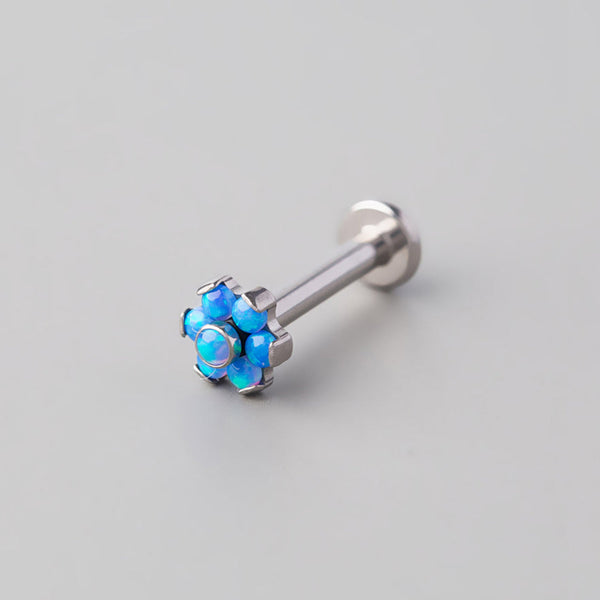
Lobe (2 to 3). Soft skin and no cartilage. Most people say it is over before they notice. A comfy first piece is a Threadless Labret Bar in Silver, from £14.
Smiley (2 to 3). The skin inside your top lip is very thin, so the needle glides through. Your eyes might water, but that's it.
Eyebrow (3 to 4). A thin fold of skin, pinched and pierced in a flash.
Nostril, tongue and belly (3 to 5). All quick. The nostril makes your eyes stream. The tongue is more sore after than during. A belly piercing is a pinch and a clamp. Later you can pop in a Basic Double Ball Belly Bar, from £19, once your piercer says it's time.
What are the most painful piercings?
The most painful piercings are the snug and industrial (7 to 9), then the rook and nipple (6 to 8), then the conch (6 to 7).
Snug (7 to 9). It goes through a thick, tight fold of cartilage on the inner ridge. The needle needs a firm push.
Industrial (7 to 9). Two holes joined by one long bar, like the Industrial Barbell with a CZ Infinity Symbol, from £24. Two cartilage holes in one sitting means the ache stacks up.
Rook (6 to 8). A thick fold at an awkward angle, which takes more pressure.
Nipple (6 to 8). Most people rate it about 6 to 8. It is intense, but it is over very fast.
Conch (6 to 7). A big, solid bowl of cartilage. Expect a crunch and a dull throb after.
Not sure of your size? Send us a message and we'll help you pick the right one. You can also check our piercing jewellery size guide.
What makes a piercing hurt more?
A piercing hurts more when it goes through thick cartilage, sits in a tight spot, or is done on a bad day.
- Cartilage vs soft skin. Cartilage (the firm, bendy part of your ear and nose) is tougher than soft skin. The needle needs more push, so it stings more and aches longer.
- Where it sits. Deep folds like the snug, rook and daith are harder to reach and hold. That means more pressure.
- How thick you are there. A thick conch or a big tragus takes a bit more work than a thin one.
- Your piercer's skill. A skilled piercer is fast, smooth and calm. That alone can knock a point or two off.
- Needle or gun. A good studio uses a sharp, single-use needle, never a gun.
- How you feel on the day. Tired, hungry, hungover or stressed? It will feel worse. Rested and fed? It will feel better.
Sharp pain vs the ache after: what does piercing pain feel like?
Piercing pain comes in two parts: a sharp sting for a second or two, then a warm ache.
The sharp part. This is the needle going through. It feels like a hard pinch, a sting, or a crunch in cartilage. It is over very fast. Many people say the wait is worse than the needle.
The ache after. Once the jewellery is in, you may feel heat, throbbing and a dull ache. Soft piercings like the lobe settle in an hour or so. Cartilage can throb for the rest of the day and feel tender when you bump it for a few weeks.
So a snug is not an 8 for hours. It is an 8 for a moment, then a 3 or 4 ache that fades. If the pain gets worse after a few days, not better, speak to your piercer.
How can you make a piercing hurt less?
You can make a piercing hurt less by eating, sleeping and breathing well, and by skipping alcohol before your visit.
- Eat first. Have a proper meal 1 to 2 hours before. An empty stomach can make you feel faint.
- Sleep well. A good night's sleep makes everything feel easier.
- Drink water. Sip water through the day so you feel fresh.
- Skip alcohol. Don't drink the night before or on the day. Good studios won't pierce you if you have been drinking.
- Breathe out on the needle. Take a slow breath in, then breathe out as the needle goes through. Your piercer will count you in.
- Ask about numbing cream first. Some studios don't allow it. Always ask your piercer before you put anything on your skin.
- Bring a friend. A hand to squeeze and a chat to distract you really helps.
Piercing pain FAQ
What is the least painful piercing?
The earlobe is the least painful piercing, at about 2 to 3 out of 10. It is soft skin with no cartilage. The smiley (2 to 3) and eyebrow (3 to 4) are also very gentle.
What is the most painful piercing?
The snug and the industrial are the most painful, at 7 to 9 out of 10. The rook and nipple come next, at 6 to 8. Even these only hurt this much for a second or two.
Which ear piercing hurts the most?
The snug and the industrial hurt the most on the ear, at 7 to 9 out of 10. The rook is next at 6 to 8, then the conch at 6 to 7. The lobe hurts the least at 2 to 3.
Do cartilage piercings hurt more than lobe piercings?
Yes, most of the time. Lobes are soft skin and score about 2 to 3 out of 10. Cartilage is firmer, so most cartilage piercings score about 4 to 9. The thicker the cartilage, the more it tends to hurt.
Does a nose piercing hurt more than an ear piercing?
A nostril is about 3 to 5 out of 10, so it hurts more than a lobe but less than most cartilage ear piercings. It makes your eyes water, which can feel worse than it is. A septum is about 4 to 6.
Does a tongue piercing hurt?
A tongue piercing is about 3 to 5 out of 10. The needle part is often less sharp than people expect. The swelling and soreness in the days after are the harder bit.
Does a belly button piercing hurt?
Most people rate a belly piercing about 3 to 5 out of 10. You feel a pinch from the clamp and a quick sting from the needle. It is one of the gentler body piercings.
How long does piercing pain last?
The sharp pain lasts a second or two. After that, a warm ache can last the rest of the day, longer for cartilage. Tenderness when you knock it can last a few weeks.
Can I use numbing cream before a piercing?
Ask your piercer first. Some studios don't allow numbing cream, and they need to know what is on your skin. Never put anything on the area without checking.
Does getting two piercings at once hurt more?
Yes, a little. The second one can feel sharper because your body is already on alert. That is why an industrial or snake bites score higher than a single hole in the same spot.
Key takeaways
- The lobe is the least painful piercing, at 2 to 3 out of 10.
- The snug and industrial are the most painful, at 7 to 9.
- Most piercings sit between 4 and 7 on the piercing pain scale.
- Cartilage hurts more than soft skin, and deep folds hurt more than the rim.
- The sharp part lasts a second or two. The ache after is duller.
- Eat, sleep well, skip alcohol and breathe out on the needle.
- Always ask your piercer before using numbing cream.
Shop jewellery for your next piercing
Made it through? Here are some easy favourites for the piercings on this chart:
- Threadless Labret Bar in Silver, from £14, for lobe, helix, flat and tragus.
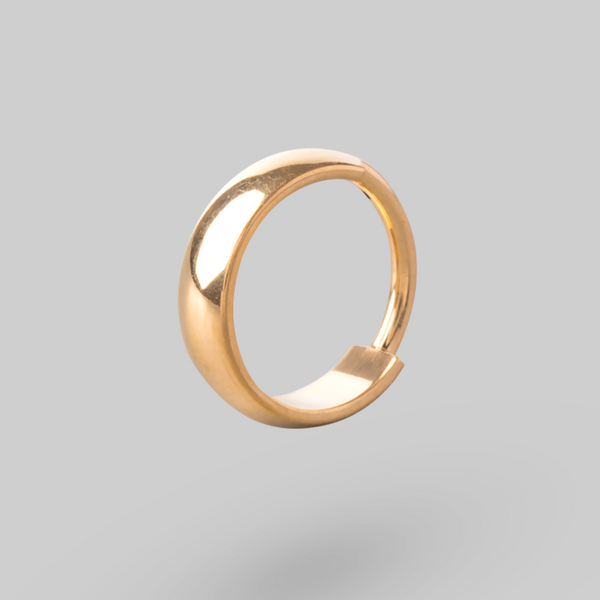
- Segment Ring in Silver, from £15, for daith, rook and conch.
- Seamless Ring in Silver, from £14, for a healed nostril.
- Industrial Barbell with a CZ Infinity Symbol, from £24.
- 4-CZ Stone Cluster Top Nipple Barbell, from £24.
Or browse all ear piercing jewellery and face piercing jewellery. Every piece at Camden Body Jewellery is implant grade titanium, ASTM F136 (the medical standard for implant grade titanium), and sterilised. Prefer a flat back? Read why piercers use flat back labrets.
Read next
Stop The Reaction Before It Starts
90% of piercing irritation comes from poor quality metal. Upgrade to ASTM F-136 Implant Grade Titanium-the biocompatible gold standard used by professional piercers worldwide.
Myths vs. Reality
Myth: "Itchiness means infection."
False. Infection usually involves throbbing pain, heat, extreme swelling, and yellow/green pus. Mild itching alone is rarely an infection.
Myth: "Turn the jewelry to scratch the itch."
Never twist! Twisting breaks the healing seal, introduces bacteria inside the wound, and extends healing time by weeks.
Why Shop CBJ?
-

Implant Grade Titanium
ASTM F-136 Compliant
-

Tracked UK Delivery
Free over £40
-

Sterilised Piercing Jewellery
Keeping your skin safe