Daith Piercing: Complete Guide to Jewellery, Healing & Migraines (2026)
Daith Piercing: Complete Guide to Jewellery, Healing & Migraines (2026)
Key Takeaways
- Location: The daith sits in the innermost fold of your ear cartilage, making it a distinctive and visible piercing
- Healing Time: Expect 6-9 months for full healing, though it may feel healed earlier
- Jewellery Gauge: Standard daith piercings use 1.2mm or 1.6mm (16G) jewellery
- Cost in the UK: Professional daith piercings typically cost Varies at reputable piercing studios
- Pain Level: Moderate to high due to the thick cartilage; expect 6-10 seconds of sharp discomfort
- Migraine Connection: Popular claim but limited scientific evidence; any benefit may be placebo or individual variation
- Materials: Always choose implant-grade titanium or 14K+ gold to prevent complications and allergic reactions
- Aftercare: Saline solution twice daily and avoiding pressure during healing are essential
What Is a Daith Piercing?
A daith piercing is an ear cartilage piercing located in the innermost curved fold of your ear known as the crus of the helix. This distinctive placement sits directly above the ear canal entrance, nestled between the rook (the outer cartilage fold) and the tragus (the small cartilage projection that partially covers the ear canal).
The name "daith" comes from the Hebrew word meaning "knowledge" or "enough," though its actual etymology in the piercing community remains somewhat mysterious. What's certain is that this piercing has become increasingly popular over the past decade, thanks to its striking aesthetic appeal and the space it offers for beautiful, eye-catching jewellery designs.
The daith piercing distinguishes itself through its technical challenge during piercing and its anatomical location. Unlike surface piercings, the daith goes through genuine cartilage, creating a permanent aesthetic modification that showcases jewellery in an intimate yet visible way. The curved cartilage creates a natural frame for segment rings, clickers, and hoops, making it the perfect canvas for statement-making body jewellery.
Does a Daith Piercing Help with Migraines?
The claim that daith piercings can alleviate migraines has become one of the most persistent and popular reasons people seek this piercing. This theory is based on acupuncture principles, suggesting that the daith location corresponds to a pressure point that may provide migraine relief through vagal stimulation.
What the Science Says: Currently, there is no peer-reviewed scientific evidence demonstrating that daith piercings effectively treat migraines. A 2017 study published in the American Headache Society found no conclusive evidence supporting this claim. However, individual case reports and anecdotal evidence suggest that some people do experience migraine reduction or relief, leading to ongoing interest in this area.
The Placebo Effect: Some relief people experience may be attributable to the placebo effect, which is a genuine psychological phenomenon where belief in a treatment produces measurable results. The act of getting a piercing, the attention to ear anatomy, and the expectation of relief all contribute to this powerful effect.
Why Some People Report Benefits: Those who claim migraine relief often report that the pressure or stimulation of the piercing location provides some improvement. If you're considering a daith piercing specifically for migraine management, approach it with realistic expectations and consult your GP or migraine specialist first. Don't delay proven medical treatments based on the hope that a piercing will solve your migraines.
That said, if you enjoy the piercing for its aesthetic appeal and happen to notice migraine improvements, that's a wonderful bonus. Many people wear daith piercings purely because they love how they look and appreciate the artistic expression they represent.
How Much Pain Should You Expect from a Daith Piercing?
Pain tolerance varies significantly between individuals, but most people report that daith piercings are moderately to highly painful compared to other ear piercings. The sensation typically lasts 6-10 seconds, with the actual piercing moment being the most intense.
Why It Hurts: Daith piercings pass through thick cartilage, which contains more nerve endings than the soft tissue around soft piercings like earlobes. The cartilage also requires more force to penetrate safely, meaning your piercer needs to apply firm pressure, amplifying the sensation.
Managing the Pain: Professional piercers often recommend breathing techniques (breathe in, out on the pierce), staying hydrated beforehand, and avoiding caffeine, which can heighten pain perception. Some people find that listening to music, focusing on something other than the procedure, or bringing support helps tremendously.
Post-Piercing Discomfort: You may experience soreness for 1-3 days following the piercing, with throbbing or aching sensations when touched or bumped. This typically subsides within a week. Over-the-counter paracetamol or ibuprofen can help manage discomfort if needed.
What Size Jewellery Do You Need for a Daith Piercing?
Getting the correct gauge size is crucial for both comfort and aesthetics. Standard daith piercings use specific measurements that accommodate the cartilage thickness of this location.
| Gauge | Millimetres (mm) | Use Case |
|---|---|---|
| 18G | 1.0mm | Rare; only for extremely delicate piercings |
| 16G | 1.2mm | Most common standard gauge for daith piercings |
| 16G | 1.6mm | Slightly thicker option; growing in popularity |
| 14G | 1.6mm | Less common; only if your piercer specifically recommends |
Diameter Considerations: Beyond gauge, the diameter of your jewellery (the distance across the ring when worn) is equally important. Most daith piercings use jewellery with an inner diameter of 6mm to 8mm, though this varies based on your individual anatomy. Your piercer will measure your daith location to determine the perfect fit during consultation.
Initial vs. Healed Jewellery: Your initial piercing jewellery will typically be slightly larger (with extra room for swelling) than what you'll eventually wear once fully healed. Never downsize to smaller jewellery during the healing phase, as this can trap bacteria and irritate the healing channel.
Popular Jewellery Styles: Daith piercings accommodate a stunning variety of styles. Segment rings (seamless rings without gaps) provide a clean, continuous look. Clickers offer an interactive design element. Hoops in various thicknesses and metals all work beautifully in this location.
Daith Piercing vs. Rook vs. Tragus vs. Conch: What's the Difference?
These inner ear piercings are often confused because they're all located in the cartilage folds of the ear. Understanding the distinctions helps you choose which piercing suits your anatomy and aesthetic goals.
| Piercing Type | Location | Healing Time | Pain Level | Best Jewellery | Complexity |
|---|---|---|---|---|---|
| Daith | Innermost cartilage fold (crus of helix) | 6-9 months | Moderate-High | Segment rings, clickers, hoops | Very difficult; anatomically challenging |
| Rook | Outer cartilage ridge above the daith | 6-12 months | High | Curved barbells, clickers | Very difficult; requires precision |
| Tragus | Small cartilage projection covering ear canal | 3-6 months | Moderate | Studs, hoops, barbells | Moderate; more straightforward anatomy |
| Conch | Large central depression of the ear | 6-12 months | Moderate | Studs, hoops, clickers, dermal anchors | Moderate-Difficult; large surface area |
Choosing Between Them: Each piercing creates a distinct aesthetic. The daith sits intimately in the cartilage fold, creating an embedded appearance. The rook sits more prominently on the outer ridge. The tragus protrudes from the ear canal area. The conch offers the largest canvas for bold jewellery designs.
If you're building a curated ear, mixing daith with rook piercings, tragus piercings, or conch piercings creates a layered, dimensional look that showcases different facets of your style.
How Long Does a Daith Piercing Take to Heal?
Daith piercings have one of the longer healing timelines in the ear piercing world, requiring patience and consistent aftercare to reach full maturity.
The Healing Timeline
| Timeline | What's Happening | What to Expect |
|---|---|---|
| Days 1-3 | Acute inflammation phase | Swelling peaks, throbbing, redness, mild discharge (clear or slightly white) |
| Week 1 | Initial wound response | Continued swelling, tenderness when touched, possible crusty formation |
| Weeks 2-4 | Early epithelization (skin lining formation) | Swelling gradually decreases, discharge reduces, more comfortable when healing properly |
| Months 2-3 | Channel stabilization | May feel mostly healed, but internal healing continues, still vulnerable to regression |
| Months 4-6 | Maturation phase | Feels more stable, can handle gentle movement, internal structure strengthening |
| Months 6-9 | Full integration | Completely healed externally and internally, ready for permanent jewellery changes |
Don't Be Fooled by "Feels Healed": A critical mistake many people make is removing jewellery or changing it too early because the piercing feels healed. Internal healing lags dramatically behind external healing. Your daith may feel completely comfortable by month 4, but the cartilage channel isn't fully matured until month 6-9. Changing jewellery too early risks complications.
Factors That Speed or Slow Healing: Individual healing rates vary based on age, overall health, nutrition, stress levels, sleep quality, and aftercare consistency. Younger people typically heal faster. Those with compromised immune systems may take longer. Excellent sleep and nutrition accelerate healing.
How to Get Your Daith Piercing: Step-by-Step Process
Understanding what happens during your appointment removes anxiety and ensures you're fully prepared.
Step 1: Consultation and Anatomy Assessment
A professional piercer will examine your ear anatomy, assessing the thickness and shape of your cartilage, identifying your precise daith location, and determining whether your anatomy is suitable for a daith piercing. Not everyone has the exact anatomy required - some people's cartilage folds are too shallow or positioned differently. This consultation ensures your piercer can create a piercing that suits your individual anatomy. The piercer will also discuss jewellery options, gauge sizes, and expected healing timelines.
Step 2: Sterilization and Setup
Professional piercers use medical-grade sterilization equipment (autoclave) to sterilize all jewellery and tools. Your piercer will prepare the area using sterile gloves, and set up a clean, organized piercing station with all necessary instruments. This aseptic technique is non-negotiable for preventing infections.
Step 3: Marking and Positioning
Your piercer marks the precise entry and exit points of the piercing channel using a surgical pen. You'll have the opportunity to review the placement in a mirror and approve it before any needle touches your skin. Correct placement is crucial for aesthetics and function.
Step 4: The Piercing Moment
Using a hollow piercing needle (typically 16G or 1.2mm), your piercer will push the needle through your cartilage in one smooth, confident motion. The sensation is sharp and intense but brief - usually 6-10 seconds of peak discomfort. The jewellery is inserted immediately as the needle is removed, closing the fresh channel.
Step 5: Aftercare Instructions and Jewellery Care
Your piercer provides comprehensive written aftercare instructions and demonstrates proper cleaning techniques. You'll receive guidance on what to expect during healing, warning signs of complications, and when to contact them with concerns. A quality piercer will offer follow-up support throughout your healing journey.
Daith Piercing Aftercare: The Complete Guide
Aftercare directly determines whether your piercing heals beautifully or develops complications. This isn't optional - it's the foundation of successful healing.
Daily Cleaning Routine
Clean your daith piercing twice daily with sterile saline solution. Use a saline wound wash spray (0.9% sodium chloride, preservative-free) or make your own by mixing 1/4 teaspoon of non-iodized sea salt with 8 ounces of distilled water. Never use table salt, which contains anti-caking agents harmful to healing.
Apply the saline solution using a clean cotton ball or paper towel, allowing it to soak the area for 2-3 minutes. Gently remove any crusty buildup, then pat dry thoroughly with a clean tissue. Moisture left behind creates an environment where bacteria thrives.
What to Avoid During Healing
- Sleeping on the pierced ear: Pressure and friction during sleep cause swelling and slow healing. Use a travel pillow or special piercing pillow to keep pressure off
- Touching, twisting, or playing with the piercing: Your fingers introduce bacteria and disturb the healing channel. Keep hands away unless cleaning
- Submerging in water: Avoid baths, swimming pools, hot tubs, and saunas for the first 2-3 weeks. Chlorinated and salt water contain contaminants that irritate healing piercings
- Hair products near the piercing: Shampoos, conditioners, and styling products can irritate the fresh channel. Pull hair back when showering and be careful with product application
- Alcohol-based products: Never clean with rubbing alcohol, hydrogen peroxide, or Betadine. These damage healthy healing tissue and cause unnecessary irritation
- Changing jewellery too early: Wait until at least 6 months before changing initial jewellery. Early changes risk infection and channel damage
- Tight clothing or earrings in adjacent piercings: Pressure and friction compromise healing. Keep the area as unrestricted as possible
Signs of Healthy Healing
Normal healing characteristics include slight redness around the piercing during the first 1-2 weeks, mild swelling that gradually decreases, clear or slightly white discharge (not yellow or green), and minor discomfort when the area is directly touched.
Signs That Require Professional Attention
Contact your piercer or healthcare provider if you experience excessive swelling that doesn't improve after one week, yellow or green discharge with an odour, intense throbbing pain or fever (signs of infection), rejection symptoms where the jewellery works its way out, or persistent problems after month 3 of healing. Don't wait to see if symptoms resolve - professional guidance prevents complications from worsening.
For comprehensive aftercare guidance, consult our complete piercing aftercare guide.
Choosing the Right Daith Jewellery for Your First Piercing
Your initial piercing jewellery must meet specific safety standards to ensure successful healing and minimize complications.
Material Requirements
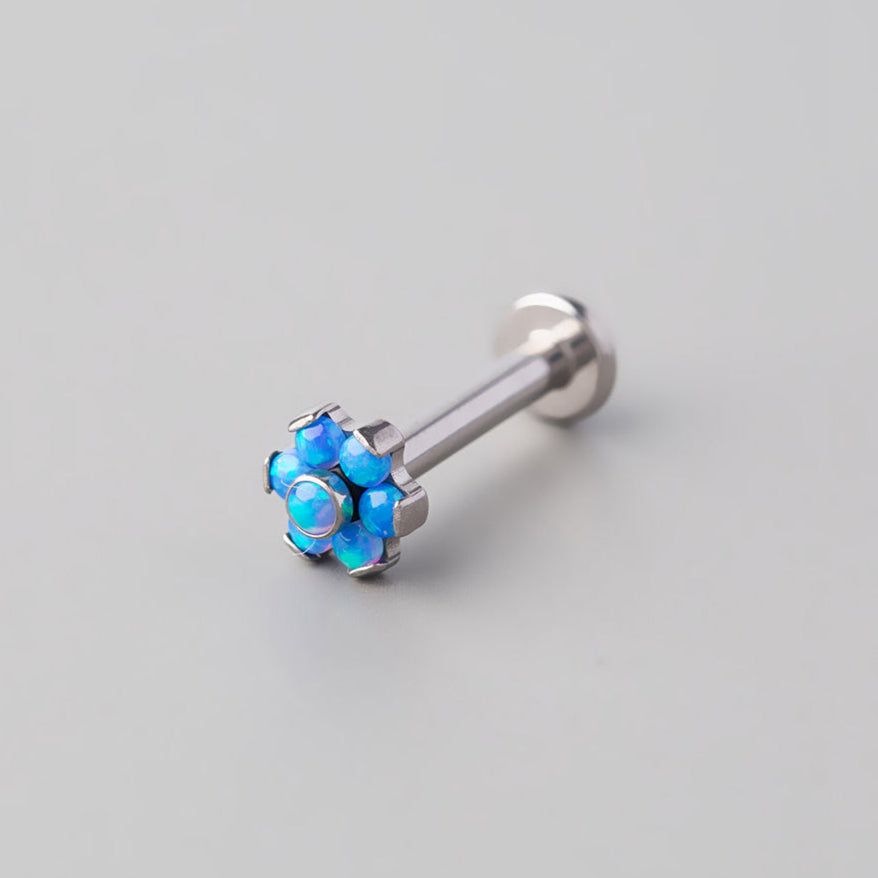
Implant-Grade Titanium (ASTM F136): The gold standard for fresh piercings, implant-grade titanium is hypoallergenic, biocompatible, and won't trigger allergic reactions. It's sterilizable at high temperatures and costs less than gold options. This is the ideal first choice for most people.
Solid 14K or 18K Gold: If you prefer gold, ensure it's solid (not plated) and 14K minimum. Gold allergies are less common than nickel allergies, making gold a viable option for sensitive skin. Niobium, solid silver, and glass are other biocompatible options, though less popular than titanium.
Never use: Plated metals (plating wears away, exposing reactive base metals), surgical steel (typically contains nickel unless specifically marked nickel-free), acrylic or plastic (harbour bacteria and cause irritation), or mystery metals without clear composition.
Jewellery Style for Fresh Piercings
Your piercer typically inserts a segment ring (seamless ring) or clicker ring for your initial piercing. These styles offer excellent healing characteristics because there are no sharp edges or awkward angles irritating the fresh channel. The smooth, rounded design supports uninterrupted healing.
Product Recommendations
We recommend these implant-grade titanium options for daith piercings:
Segment Ring Silver

Classic implant-grade titanium segment ring in a polished silver finish. Perfect for initial piercings or healed daiths. The seamless design ensures smooth healing with no irritating edges.
Specifications: 1.2mm gauge, 6-8mm diameter options
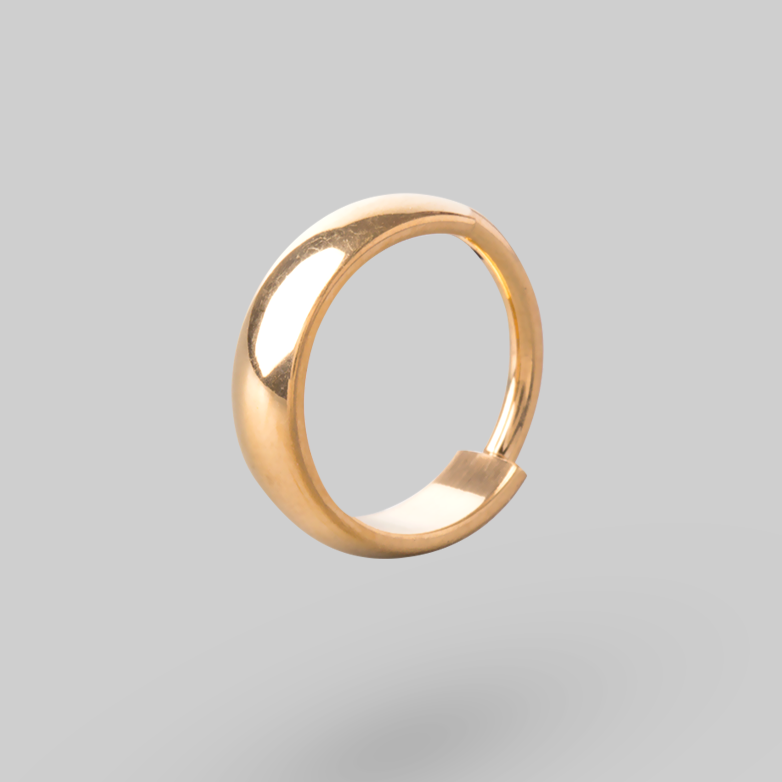
Clicker Ring Gold

Stunning implant-grade titanium clicker with a luxury gold finish. The interactive design element provides visual interest while maintaining a smooth surface for healing. Ideal for making a statement in your daith.
Specifications: 1.6mm gauge, available in multiple diameters
Browse our complete daith jewellery collection for additional styles and materials once your piercing is fully healed.
Daith Piercing Complications and How to Handle Them
While most daith piercings heal without issues, understanding potential complications helps you respond quickly if problems arise.
Piercing Bumps and Keloids
A small bump around the piercing channel is common and usually caused by minor inflammation or excessive scar tissue formation. These granulation bumps often resolve with improved aftercare and patience. Keloids (excessive scar tissue that grows beyond the piercing wound) are rarer but more serious and may require professional treatment.
Never squeeze, pick, or attempt to drain bumps yourself. This introduces bacteria and worsens the problem. Instead, improve your saline cleaning routine, reduce trauma to the area, and avoid sleeping on the piercing. If bumps persist after 2-3 months of excellent aftercare, consult your piercer or dermatologist.
For detailed information, read our guide on piercing bumps vs. keloids vs. infections.
Infection Symptoms
True infections are less common than inflammation but require immediate attention. Symptoms include yellow or greenish discharge with a foul odour, intense throbbing pain, fever or chills, warmth radiating from the piercing, or swelling that spreads beyond the immediate area.
If you suspect infection, don't remove the jewellery (this can trap bacteria inside). Instead, contact your piercer and potentially your GP. They may recommend saline soaks, oral antibiotics, or jewellery changes depending on severity.
Rejection
Rejection occurs when your body treats the piercing as a foreign object and gradually pushes it out. Signs include jewellery that appears to be sitting shallower in the piercing channel, stretching or thinning of the skin around the piercing, increasing discomfort despite excellent aftercare, and visible movement of the jewellery.
Once rejection begins, it cannot be reversed. You'll need to remove the jewellery and allow the piercing to close. However, quality piercers using proper technique and anatomically appropriate jewellery minimize rejection risk significantly.
Migration
Distinct from rejection, migration is when the piercing channel gradually shifts position. This is extremely rare in daith piercings due to their cartilage location but can occur due to trauma, improper initial placement, or unsuitable jewellery.
How Much Does a Daith Piercing Cost in the UK?
Professional daith piercing costs in the UK typically range at great value to varies at reputable piercing studios. This price variation reflects factors including the piercer's experience level, studio reputation, location, and included services.
What's Included in the Price
Quality piercing studios include the piercer's expertise, sterile equipment use, medical-grade sterilization (autoclave), initial jewellery (implant-grade titanium or equivalent quality), and comprehensive aftercare instructions. Some studios also include one follow-up visit for sizing adjustments during healing.
Additional Costs to Consider
Initial jewellery is typically included in the piercing cost, but upgraded materials (solid gold or premium titanium) may incur additional charges (Varies more). Aftercare products (sterile saline solution) cost Varies Jewellery changes after healing are separate purchases; quality daith jewellery ranges at great value-varies+ depending on materials and design.
Avoiding Cheap Piercings
Extremely cheap piercings (competitive prices) often cut corners on sterilization, use lower-quality jewellery, or employ inexperienced piercers. The false economy isn't worth the risk of infection, rejection, or permanent scarring. Choose an experienced piercer at a reputable studio where they're willing to discuss their sterilization practices, answer questions about materials, and prioritize your safety over speed.
Frequently Asked Questions About Daith Piercings
Can you sleep on a daith piercing while it's healing?
Sleeping directly on your healing daith is highly problematic. The pressure restricts blood flow (slowing healing), causes friction that irritates the fresh channel, and increases risk of keloids and bumps. Use a travel pillow, doughnut pillow, or piercing-specific pillow to relieve pressure. Sleep on the opposite side of your head for at least the first 2-3 months.
How do you shower with a fresh daith piercing?
During the first 2-3 weeks, minimize water contact. Turn away from the showerhead so water doesn't directly hit the piercing. After 3+ weeks, light water contact during normal showers is acceptable, but avoid submerging the ear in baths, pools, or hot tubs for at least 4-6 weeks. After showering, gently pat the area dry immediately with a clean tissue.
What happens if you change a daith piercing too early?
Changing jewellery before 6 months risks serious complications. The internal channel isn't fully matured, so removing jewellery can cause the hole to close or create a new, incorrect pathway. You may also introduce bacteria or cause trauma that triggers infections, rejection, or migration. Wait until at least 6 months before attempting any jewellery changes.
Can you wear headphones with a healing daith piercing?
Over-ear headphones create pressure and friction that irritates healing piercings. Avoid them for at least 2-3 months. Earbuds are safer since they don't press on the daith location, though still be cautious about putting pressure on the piercing. Once fully healed, headphones pose no problems.
Is a daith piercing suitable for all ear shapes?
Not everyone's anatomy suits a daith piercing. The location requires a pronounced inner cartilage fold. Some people have shallow folds, unusual angle cartilage, or positioning that makes a daith technically impossible or unsafe. A professional piercer will assess your anatomy and be honest about suitability. If your anatomy isn't ideal, they can suggest similar aesthetic alternatives.
How do you clean daith piercing jewellery without removing it?
Clean jewellery while it's in your ear using sterile saline solution. Soak the area with a clean cotton ball for 2-3 minutes, gently remove any crusty buildup, and pat dry. Never use brushes or pick at buildup roughly. For deeper cleaning after full healing, you can remove the jewellery, soak it in warm saline, gently scrub with a soft cloth, and rinse thoroughly. For detailed instructions, consult our jewellery cleaning guide.
What's the difference between a daith piercing and a regular ear piercing?
Standard ear piercings (lobes) go through soft tissue with minimal nerve endings, heal quickly (4-6 weeks), and cause minimal pain. Daith piercings penetrate thick cartilage, require 6-9 months healing, are more painful, and demand more stringent aftercare. The cartilage location also makes daith piercings more technically challenging to perform correctly.
Do daith piercings leave scars or visible holes if removed?
Once fully healed, removing a daith piercing does leave a permanent small hole. The cartilage doesn't fully close after piercing through its thickness. The hole becomes less noticeable over time (especially if left empty), but it may remain visible on close inspection. If you're uncertain about permanence, discuss this with your piercer before getting the piercing.
Can you get a daith piercing if you have a tragus or rook piercing?
Yes, you can absolutely have multiple ear piercings. Many people combine daith with rook, tragus, conch, and helix piercings to create a curated ear aesthetic. However, avoid getting piercings too close together (within 6-12 months) or in anatomically challenging locations simultaneously. Give each piercing time to heal fully before adding more.
How do you know if your daith piercing is healed?
Your daith is fully healed when the external area shows no redness, swelling, or discharge, discomfort is gone or minimal when touched, the jewellery feels stable and secure in the channel, and there's been no migration or rejection signs. This typically occurs at 6-9 months. Even once it feels healed, the internal cartilage continues maturation until month 9. Only change jewellery once you've confidently reached the 6-month mark with excellent aftercare.
Stop The Reaction Before It Starts
90% of piercing irritation comes from poor quality metal. Upgrade to ASTM F-136 Implant Grade Titanium-the biocompatible gold standard used by professional piercers worldwide.
Myths vs. Reality
Myth: "Itchiness means infection."
False. Infection usually involves throbbing pain, heat, extreme swelling, and yellow/green pus. Mild itching alone is rarely an infection.
Myth: "Turn the jewelry to scratch the itch."
Never twist! Twisting breaks the healing seal, introduces bacteria inside the wound, and extends healing time by weeks.
Why Shop Camden?
-

Implant Grade Titanium
ASTM F-136 Compliant
-

Tracked UK Delivery
Free over £40
-

Sterilised Piercing Jewellery
Keeping your skin safe