Rook Piercing: Complete Guide to Pain, Healing, Jewellery & Aftercare (2026)
The rook piercing has become one of the most popular cartilage piercings in the UK, and for good reason. Sitting in that distinctive fold of cartilage in the upper ear, it’s a piercing that looks unique without being too bold, and it pairs beautifully with other ear piercings in a curated stack.
But before you book your appointment, you probably have questions. How much does it hurt? How long will it take to heal? What jewellery works best? This guide covers everything you need to know about rook piercings, from the initial procedure right through to fully healed jewellery swaps.
What Is a Rook Piercing?
A rook piercing goes through the antihelix, which is the thick fold of cartilage that sits between the inner conch and the outer rim of your ear. It’s located just above the tragus and the daith, making it a slightly tucked-away piercing that catches the eye without dominating the ear.
Because the rook passes through two layers of cartilage (entry and exit through the fold), it’s considered a slightly more advanced piercing compared to a standard helix or lobe. This double-layer placement is also what gives it that satisfying “peek-a-boo” look, where the jewellery nestles into the ear’s natural contours.
Not everyone has the right anatomy for a rook piercing. If the cartilage ridge in your antihelix is very flat or thin, your piercer may suggest an alternative placement such as a daith piercing or a faux rook (a surface piercing that mimics the look). A good piercer will always assess your ear anatomy before proceeding.
Rook Piercing Pain: What to Expect
Let’s be honest: the rook is one of the more painful ear piercings. Most people rate it around 5 to 7 out of 10 on the pain scale, though this varies depending on your personal tolerance and the thickness of your cartilage.
The reason it hurts more than a standard lobe or even a helix piercing is that the needle has to pass through a thicker fold of cartilage. The actual piercing takes only a second or two, but you’ll likely feel a sharp pressure followed by a warm, throbbing sensation that settles down within a few minutes.
Pain Comparison: Rook vs Other Ear Piercings
| Piercing Type | Pain Level (1–10) | Why It Hurts |
|---|---|---|
| Lobe | 2–3 | Soft tissue, no cartilage |
| Helix | 3–5 | Single layer of thin cartilage |
| Tragus | 4–6 | Thick cartilage, sensitive area |
| Rook | 5–7 | Double layer of thick cartilage |
| Daith | 5–7 | Thick inner cartilage fold |
| Conch | 5–7 | Dense, flat cartilage |
| Industrial | 7–9 | Two cartilage punctures in one session |
Tips for managing the pain: eat a proper meal beforehand, stay hydrated, and take slow, deep breaths during the procedure. Avoid taking ibuprofen or aspirin before your appointment as these can thin the blood and increase bleeding. Paracetamol is fine if you want to take something beforehand.
Rook Piercing Healing Time: The Full Timeline
Rook piercings typically take between 6 and 12 months to heal fully, though some people find their piercing still feels slightly tender up to 18 months later. This is normal for cartilage piercings and doesn’t mean something is wrong.
Here’s a general timeline of what to expect during the healing process:
Weeks 1–2 (Inflammatory Phase): Expect swelling, redness, warmth, and some throbbing. This is your body’s natural response to the piercing. You may notice some clear or slightly yellowish discharge, which is lymph fluid, not pus. This is completely normal.
Weeks 3–8 (Proliferative Phase): The swelling should start to settle. A thin layer of new tissue begins forming around the jewellery. The piercing may still be tender to the touch, and you might notice crusties forming around the entry and exit points. Leave these alone and let your saline solution do the work during cleaning.
Months 3–6 (Maturation Begins): The piercing should feel much more comfortable by now. Most of the external healing is complete, but the internal tissue (the fistula) is still strengthening. This is when many people make the mistake of thinking the piercing is fully healed and start changing jewellery too soon.
Months 6–12 (Full Maturation): The fistula thickens and matures. By the end of this phase, you should be able to sleep on the piercing without discomfort and change your jewellery safely. If you’re unsure, visit your piercer for a check-up before swapping.
Factors That Affect Healing Time
Several things can speed up or slow down your rook piercing healing:
Your aftercare routine is the single biggest factor. Following a consistent saline cleaning routine and keeping your hands away from the piercing will make a significant difference. Check our complete aftercare guide for detailed instructions.
Jewellery material matters. Implant-grade titanium (ASTM F136) causes the fewest reactions and supports the fastest healing. Surgical steel can work well for most people, but titanium is the gold standard for fresh piercings. Read more about titanium vs surgical steel to understand the differences.
Sleeping habits play a bigger role than most people realise. Sleeping on the side of your new rook piercing puts pressure on the jewellery and can cause irritation bumps, delayed healing, and migration. Use a travel pillow or donut pillow to keep pressure off. Our guide on sleeping with a cartilage piercing has more practical tips.
Overall health and lifestyle also influence healing. Smoking, poor nutrition, stress, and lack of sleep can all slow down the process. Keeping your immune system in good shape will help your piercing heal more efficiently.
Rook Piercing Aftercare: How to Look After Your New Piercing
Good aftercare is straightforward, but consistency is key. Here’s what your daily routine should look like:
Clean twice daily with sterile saline solution. Use a pre-made 0.9% sodium chloride spray (available from most pharmacies) or make your own by dissolving a quarter teaspoon of non-iodised sea salt in one cup of warm distilled water. Spray or soak the piercing for 1–2 minutes, then let it air dry or gently pat dry with non-woven gauze. Never use cotton wool, as the fibres can catch on the jewellery.
What to avoid during healing:
- Touching the piercing with unwashed hands
- Twisting, turning, or moving the jewellery
- Using alcohol, hydrogen peroxide, or tea tree oil on the piercing
- Submerging in pools, hot tubs, lakes, or baths
- Sleeping directly on the piercing
- Changing the jewellery before the piercing is fully healed
- Using earbuds or in-ear headphones on the pierced ear
One thing that catches people out with rook piercings specifically is earphone use. Because the rook sits right above the ear canal, in-ear headphones can press against the jewellery and cause irritation. Switch to over-ear headphones during healing, or only use earbuds in your non-pierced ear.
Best Jewellery for a Rook Piercing
The right jewellery makes all the difference for both healing and aesthetics. Here’s what works best for rook piercings.
Curved Barbells (Most Recommended)
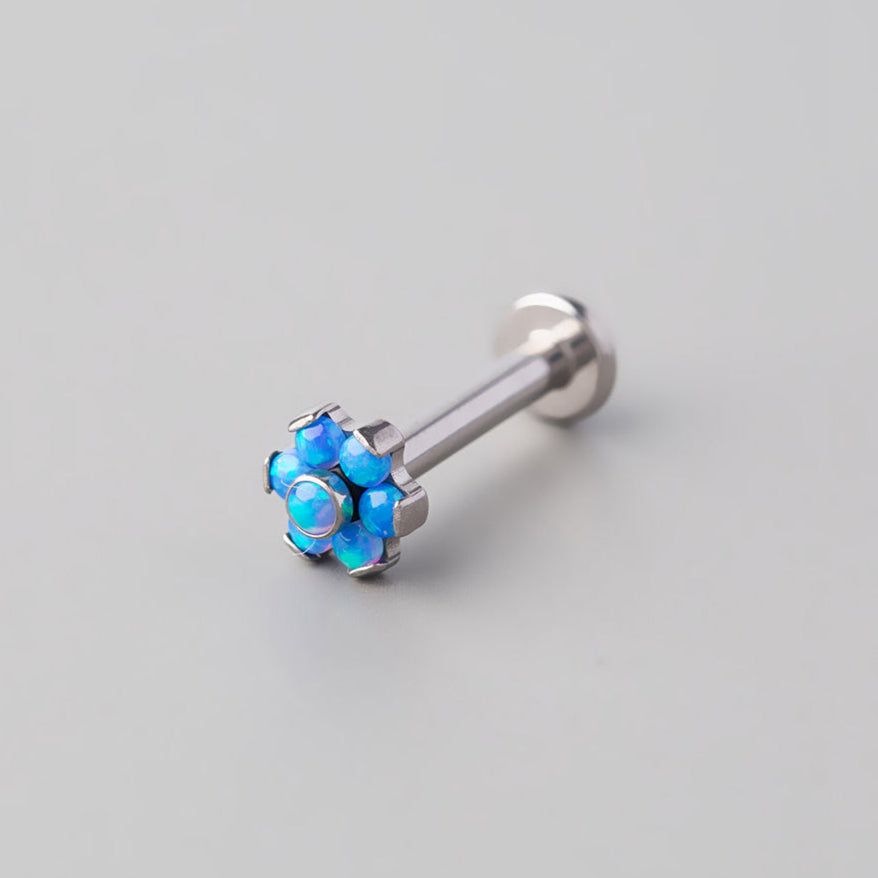
A curved barbell is the most popular and widely recommended choice for rook piercings, especially during healing. The gentle curve follows the natural shape of the antihelix, reducing pressure on the tissue and allowing good airflow around the piercing. Most piercers will use a curved barbell as the initial jewellery.
Clicker Rings and Hoops
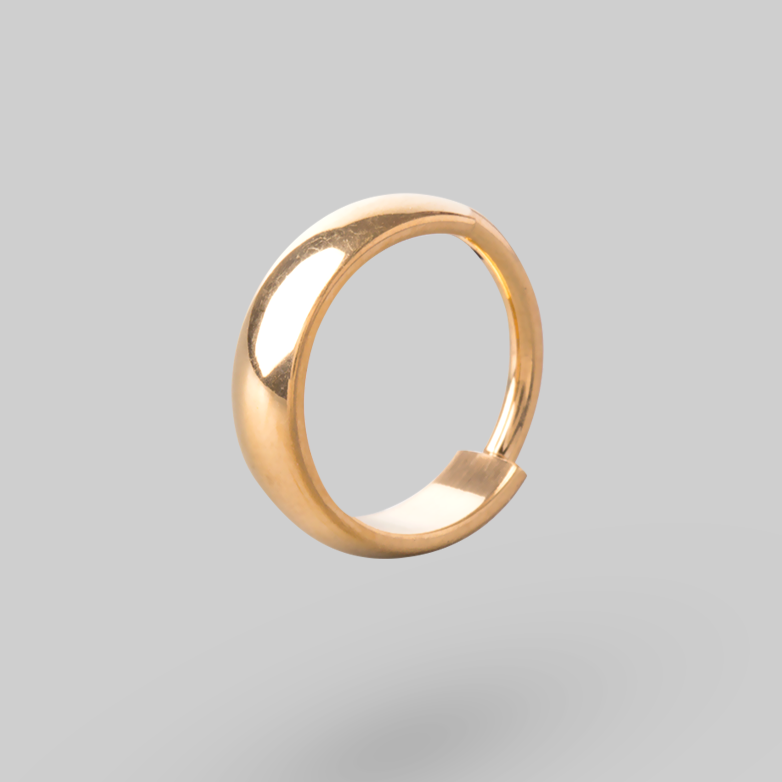
Once your rook is fully healed, you can switch to a small clicker ring or segment ring for a different look. Hoops sit beautifully in the rook and give a sleek, minimalist aesthetic. However, these are generally not recommended for fresh piercings as they can move more freely and increase irritation during healing.
Jewellery Material Comparison for Rook Piercings
| Material | Best For | Biocompatibility | Notes |
|---|---|---|---|
| Implant-Grade Titanium (ASTM F136) | Fresh & healed piercings | Excellent | Nickel-free, lightweight, hypoallergenic |
| Surgical Steel (316L) | Healed piercings | Good | Contains trace nickel; most people tolerate it well |
| Solid Gold (14k or 18k) | Healed piercings | Very Good | Premium option; avoid gold-plated pieces |
| Niobium | Sensitive skin | Excellent | Hypoallergenic alternative to titanium |
Rook Piercing Jewellery Sizes
The standard gauge for a rook piercing is 16g (1.2mm), though some piercers may use 14g (1.6mm) depending on your anatomy. The bar length for initial jewellery is usually 8mm or 10mm to allow for swelling. Once healed, you can downsize to a shorter bar (typically 6mm or 8mm) for a snugger fit.
If you’re choosing a hoop or clicker for a healed rook, the internal diameter is usually between 6mm and 8mm, depending on the size of your antihelix fold.
Rook Piercing Problems: What Can Go Wrong
Most rook piercings heal without major issues, but it’s helpful to know what to look out for.
Irritation Bumps
Small, fluid-filled bumps near the piercing site are the most common issue with rook piercings. These are almost always caused by irritation rather than infection: sleeping on the piercing, snagging it, using harsh cleaning products, or wearing poor-quality jewellery. The fix is usually simple. Identify and remove the source of irritation, keep up your saline cleaning routine, and give it time. Check our piercing bump vs keloid guide if you’re unsure what you’re dealing with.
Infection
True infections are less common than people think, but they do happen. Signs of infection include increasing pain, significant swelling, hot red skin spreading beyond the piercing site, and thick green or yellow discharge with an unpleasant smell. If you suspect an infection, do not remove the jewellery as this can trap the infection inside. See your piercer or a GP as soon as possible.
Migration and Rejection
Rook piercings have a relatively low rejection rate compared to surface piercings because the cartilage holds the jewellery securely in place. However, if jewellery is too thin, too heavy, or made from a reactive material, migration can occur. Signs include the bar appearing to sit closer to the surface than before, and the holes looking larger. If you notice these changes, visit your piercer promptly.
Rook Piercing Procedure: What Happens at the Studio
Knowing what to expect on the day can help settle any nerves. Here’s a step-by-step walkthrough of the rook piercing process.
Step 1: Consultation and anatomy check. Your piercer will examine your ear to confirm you have suitable anatomy for a rook piercing. They’ll discuss jewellery options and placement with you.
Step 2: Marking the placement. Using a surgical marker, your piercer will dot the entry and exit points on the cartilage fold. You’ll get to check the placement in a mirror and approve it before anything happens.
Step 3: Sterilisation and setup. Your piercer will clean the area with an antiseptic solution and set up their sterile equipment, including a single-use hollow needle (usually 16g).
Step 4: The piercing. Using a receiving tube or freehand technique, the piercer will push the needle through the cartilage fold in one smooth motion. This is the part that takes only a second or two.
Step 5: Jewellery insertion. The jewellery (typically a curved barbell) is threaded through immediately after the needle, and the balls or ends are secured.
Step 6: Final check and aftercare instructions. Your piercer will give you a mirror to admire your new piercing and talk you through the aftercare routine.
The whole appointment usually takes 15 to 30 minutes, with the actual piercing taking just a few seconds.
Rook Piercing vs Daith Piercing: How Do They Compare?
The rook and daith piercing are often compared because they’re both inner ear cartilage piercings. The main difference is location: the daith passes through the innermost fold of cartilage directly above the ear canal, while the rook sits on the fold just above and slightly outward from the daith.
In terms of pain, they’re fairly similar, though some people find the daith slightly more uncomfortable because of the pressure sensation during the procedure. Healing times are comparable at 6 to 12 months for both. The daith is often discussed in relation to migraine relief, though there’s no scientific evidence to support this claim.
For jewellery, the daith typically suits hoops and heart-shaped rings, while the rook looks best with curved barbells or small clickers. Both piercings work well as part of a curated ear stack alongside helix and tragus piercings.
Can You Wear Earbuds with a Rook Piercing?
This is one of the most common questions, and the answer depends on whether your piercing is healed. During the healing period (the first 6 to 12 months), it’s best to avoid in-ear headphones on the pierced side entirely. The rook sits directly above the ear canal, and inserting or removing earbuds can bump the jewellery and cause irritation.
Once fully healed, most people can wear earbuds comfortably with a rook piercing, though this depends on your anatomy and the size of your jewellery. If your curved barbell has larger decorative ends, they may interfere with earbud fit. Switching to a smaller, more streamlined piece can help.
Rook Piercing and Glasses or Hair
Good news: glasses and rook piercings rarely interfere with each other. Since the rook sits inside the ear’s cartilage fold, glasses arms rest above or behind the piercing without making contact.
Long hair can be more of an issue. Stray hairs can wrap around the jewellery, causing tugging and irritation. During healing, try to keep your hair tied back or tucked behind the ear on the pierced side. Be especially careful when brushing or styling your hair near the pierced ear.
Frequently Asked Questions About Rook Piercings
How much does a rook piercing cost in the UK?
The cost varies depending on the studio, location, and the jewellery you choose. Prices differ between high street studios and specialist piercers. It’s worth investing in a reputable piercer who uses high-quality jewellery, as this significantly impacts your healing experience. Always check reviews and ask about their sterilisation procedures before booking.
Can I get both ears pierced with a rook at the same time?
Most piercers will advise against getting both rooks done simultaneously. Since you need to avoid sleeping on a healing cartilage piercing, having both sides done means there’s no comfortable sleeping position. It’s better to heal one side fully before getting the other done.
When can I change my rook piercing jewellery?
Wait until your piercing is fully healed before changing the jewellery, which is typically 6 to 12 months. Your first jewellery change is best done by a professional piercer, especially if you’re not confident handling small curved barbells. After the first swap, you’ll get the hang of it quickly.
Is a rook piercing suitable for everyone?
Not quite. You need a pronounced antihelix fold for a rook piercing to work properly. If your ear anatomy is too flat in that area, the piercing may not sit correctly or could be prone to rejection. A consultation with an experienced piercer will confirm whether a rook piercing is right for you.
Will a rook piercing set off metal detectors?
Small body jewellery very rarely triggers metal detectors at airports or security checkpoints. Titanium, in particular, is non-ferromagnetic and extremely unlikely to cause any issues. You should not need to remove your rook piercing for airport security.
Can I exercise with a new rook piercing?
Yes, but take precautions. Avoid activities where the piercing could get bumped or caught, such as contact sports or exercises using helmets. Wipe away sweat from around the piercing after your workout, and do your saline clean as normal. Swimming should be avoided until the piercing is fully healed.
Does a rook piercing help with anxiety or migraines?
While some people claim benefits similar to acupuncture, there is currently no scientific evidence that rook piercings help with anxiety, migraines, or any other medical condition. If you’re interested in a piercing for potential migraine relief, the daith piercing is the one more commonly associated with this claim, though the evidence for that is also anecdotal.
How do I know if my rook piercing is rejecting?
Signs of rejection include the jewellery appearing to move closer to the skin’s surface, the holes looking stretched or wider than before, increased visibility of the bar through the skin, and the piercing feeling loose. If you notice any of these signs, visit your piercer for assessment. Early intervention can sometimes save the piercing.
What gauge and length should I choose for my rook piercing?
The standard gauge is 16g (1.2mm). Initial bar length is usually 8mm or 10mm to accommodate swelling, then you can downsize to 6mm or 8mm once healed. Your piercer will select the appropriate size based on your anatomy during the initial appointment.
Can I get an MRI with a rook piercing?
This depends on the material. Implant-grade titanium is MRI-safe (it’s non-ferromagnetic), but surgical steel may cause issues. Always inform the MRI department about any piercings beforehand. If your jewellery is titanium, you’ll likely be fine to keep it in, but follow the guidance of the medical team.
Key Takeaways
- A rook piercing goes through the antihelix fold and takes 6–12 months to heal fully.
- Pain is moderate at 5–7 out of 10, higher than a helix but comparable to a daith.
- Curved barbells are the best jewellery choice for healing; switch to hoops or clickers once fully healed.
- Implant-grade titanium (ASTM F136) is the safest material for fresh piercings.
- Avoid sleeping on the piercing, using in-ear headphones, and touching it with unwashed hands.
- Clean twice daily with 0.9% sterile saline solution and let it air dry.
- Irritation bumps are common but usually resolve by removing the source of irritation.
- Always get pierced by a reputable professional using a hollow needle, never a piercing gun.
Shop Rook Piercing Jewellery at Camden Body Jewellery
Ready to find the perfect piece for your rook piercing? We stock a wide range of rook piercing jewellery in implant-grade titanium, surgical steel, and other high-quality materials. Whether you prefer a classic curved barbell for healing or a decorative clicker ring for a healed piercing, you’ll find something to suit your style.
All our body jewellery is individually sterilised before dispatch, so it’s ready to wear the moment it arrives. Browse the full range and find your next favourite piece.
Read Next
Stop The Reaction Before It Starts
90% of piercing irritation comes from poor quality metal. Upgrade to ASTM F-136 Implant Grade Titanium-the biocompatible gold standard used by professional piercers worldwide.
Myths vs. Reality
Myth: "Itchiness means infection."
False. Infection usually involves throbbing pain, heat, extreme swelling, and yellow/green pus. Mild itching alone is rarely an infection.
Myth: "Turn the jewelry to scratch the itch."
Never twist! Twisting breaks the healing seal, introduces bacteria inside the wound, and extends healing time by weeks.
Why Shop Camden?
-

Implant Grade Titanium
ASTM F-136 Compliant
-

Tracked UK Delivery
Free over £40
-

Sterilised Piercing Jewellery
Keeping your skin safe