Flat Piercing: Complete Guide to Pain, Healing, Jewellery & Aftercare (2026 Guide)
Flat Piercing: Complete Guide to Pain, Healing, Jewellery & Aftercare (2026 Guide)
A flat piercing sits on the smooth, flat area of your ear between the helix and the ear canal, known as the scapha or flat. Expect full healing in 6–12 months, with initial healing taking 2–3 weeks. The pain level is moderate, typically rated 5–7 out of 10, making it slightly more uncomfortable than a standard helix piercing due to the thicker cartilage.
What Is a Flat Piercing?
A flat piercing is placed on the scapha, the smooth, flat expanse of cartilage that sits between your helix and the inner curve of your ear. This area provides a beautiful canvas for jewellery and is becoming increasingly popular for ear stacking and creating unique ear aesthetics. Unlike the rounded helix, the flat area is truly flat, which affects how jewellery sits and how you should care for it during healing.
The flat is distinct from other cartilage piercings because of its anatomical position and the specific thickness of cartilage in this region. The area has good blood flow, which generally supports healing, but the thickness of the cartilage means the piercing process requires slightly more precision from an experienced piercer. If you’re considering a flat piercing, choosing a skilled professional is essential for proper angle and placement.
Many people choose flat piercings as part of a larger ear project, combining them with helix, tragus, or conch piercings to create a curated look. The flat works beautifully with threadless labret studs, allowing for endless customisation with decorative tops.
How Much Does a Flat Piercing Hurt?
Pain perception is highly individual, but most people rate a flat piercing at 5–7 out of 10 on the pain scale. The sensation is sharp and intense for a brief moment, followed by a dull ache that subsides quickly. You’ll likely experience some swelling and tenderness over the next few days as your body begins healing.
Several factors influence how much pain you experience. The skill of your piercer matters significantly; a clean, confident needle entry causes less tissue trauma and therefore less pain. Your own pain tolerance, stress levels, and whether you’ve had piercings before all play a role. Eating well beforehand, staying hydrated, and avoiding caffeine can help your body handle the experience more comfortably.
The flat piercing is more painful than a standard helix because the cartilage in this area is typically thicker. However, it’s generally less painful than rook or industrial piercings, which involve even thicker cartilage and longer needle paths. See the comparison table below to understand where the flat sits in the piercing pain spectrum.
| Piercing Type | Pain Level (1–10) | Why? |
|---|---|---|
| Earlobe | 2–3 | Soft tissue, minimal nerve endings |
| Helix | 4–5 | Thin cartilage, moderate pain |
| Flat | 5–7 | Thicker cartilage, sharper sensation |
| Tragus | 5–6 | Dense cartilage, sensitive area |
| Conch | 6–7 | Thick cartilage in the centre of the ear |
| Daith | 6–7 | Curved, thick cartilage |
| Rook | 7–8 | Very thick, deeply nested cartilage |
| Industrial | 8–9 | Two piercings connected by a single barbell |
Flat Piercing Healing Time
Understanding the healing timeline helps you manage expectations and recognise what’s normal. Flat piercings heal in distinct stages, each with its own characteristics. Full healing typically takes 6–12 months, though the initial acute phase is much shorter.
| Healing Stage | Timeframe | What to Expect |
|---|---|---|
| Initial/Acute Phase | 0–2 weeks | Significant swelling, tenderness, possible bleeding. Mild oozing is normal. Keep jewellery in and avoid touching. |
| Settling Phase | 2–8 weeks | Swelling reduces, but tenderness persists. Some clear or slightly yellowish discharge is normal. Avoid sleeping on the piercing. |
| Continued Healing | 2–6 months | Most discomfort subsides. The piercing feels less tender but the tissue is still fragile. Continue careful aftercare. |
| Full Healing | 6–12 months | The fistula (piercing channel) strengthens. You can safely change jewellery, though gentle handling is still wise. |
It’s important to note that healing isn’t linear. You might have good days and bad days, especially if you accidentally sleep on the piercing or bump it. This is completely normal, so don’t be discouraged. Consistency with your aftercare routine makes the biggest difference in healing smoothly.
Flat Piercing Aftercare: Step by Step
Proper aftercare is the most important factor in ensuring your flat piercing heals beautifully and avoids complications. The good news is that it requires minimal effort if you stay consistent.
Saline Soaks are your primary aftercare tool. Once or twice daily, use a sterile saline solution (or make your own with distilled water and non-iodised sea salt) to soak the piercing for 5–10 minutes. You can either cup the back of your ear to let the saline pool around the piercing, or soak a clean paper towel and hold it against the area. Many people find evening soaks most convenient. Never use tap water, alcohol, or hydrogen peroxide, as these can damage healing tissue.
What to Avoid is equally important. During the first 2–3 weeks, avoid swimming, saunas, and hot tubs, as bacteria-laden water can introduce infection. Keep hair away from the piercing, which means avoiding tight hairstyles and washing your hair with care. Don’t use hair products, perfumes, or makeup near the area. Avoid touching the piercing unnecessarily; only clean hands should ever approach it.
Sleeping on Your Piercing is one of the biggest aftercare challenges. The pressure from sleeping on a fresh flat piercing slows healing and increases swelling. For the first 6–8 weeks, try to sleep on your opposite side. A donut pillow or travel pillow can help protect the piercing whilst you sleep. Read our full guide on sleeping safely with cartilage piercings for more strategies.
For comprehensive guidance, visit our detailed body jewellery and piercing aftercare guide, which covers everything from cleaning solutions to what signs indicate a problem.
Best Jewellery for a Flat Piercing
Choosing the right jewellery for your flat piercing is crucial for both healing and long-term comfort. The flat’s anatomy suits studs far better than hoops, and threadless labret studs are the gold standard.
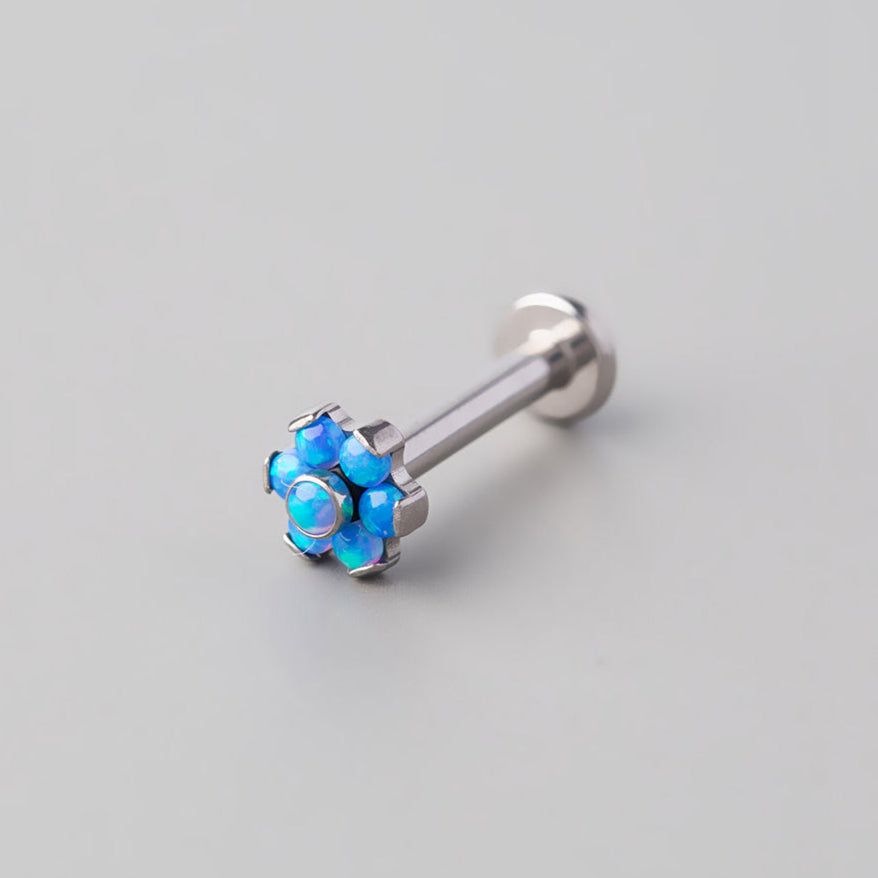
Threadless Labret Studs are the ideal choice for flat piercings. These jewellery pieces feature a pin that inserts into a hollow post, creating a secure fit without threads that could snag or irritate healing tissue. The beauty of threadless studs is their flexibility: you can swap decorative tops easily, allowing endless customisation. Learn why threadless labrets are a game changer for modern piercing jewellery.
Internally Threaded Options are acceptable if threadless studs aren’t available, though they’re less ideal. The internal threads are less likely to irritate healing tissue than external threads, but they’re still not as smooth as threadless options.
Decorative Tops are what make flat piercings visually striking. You can choose from opals, coloured gems, diamond clusters, minimalist discs, pearls, or ornate designs. During the first 2–3 weeks, keep the decorative top simple and lightweight to avoid irritating the fresh piercing. Once healing is well underway, you can experiment with heavier or more elaborate designs.
Many people love stacking flat piercings with helix or conch piercings to create a personalised ear aesthetic. The flat provides a beautiful focal point at the right eye level when you’re looking at someone’s ear.
Flat Piercing Jewellery Sizes
Understanding jewellery measurements ensures you order pieces that fit comfortably and work with your anatomy. Flat piercing jewellery uses standardised gauge and length measurements.
| Measurement | Standard Size | Notes |
|---|---|---|
| Gauge | 16g (1.2mm) | Standard for most cartilage ear piercings. Some piercers may use 18g (1.0mm) depending on your anatomy. |
| Bar Length | 6mm–8mm | 6mm for most people; 8mm if you have thicker cartilage or significant swelling. Your piercer will fit you during the initial appointment. |
| Top Size | 3mm–6mm diameter | 3–4mm appears delicate; 5–6mm makes a subtle statement. Choose based on personal preference and ear anatomy. |
When you’re ready to change your jewellery (after at least 6 months of healing), measure your current piece to ensure you order the correct sizes. If you’re unsure, ask your piercer; they can check your piercing and recommend the best fit for your anatomy.
What Material Should I Choose?
Material choice directly affects how your piercing heals and how long your jewellery lasts. Not all materials are created equal when it comes to body jewellery.
Implant-Grade Titanium (ASTM F136) is the recommended choice for healing piercings and sensitive skin. It’s biocompatible, hypoallergenic, and extremely durable. Titanium doesn’t contain nickel, which makes it safe for people with nickel sensitivities. If your piercer recommends titanium, that’s excellent guidance. Discover the differences between implant-grade titanium and steel in our detailed comparison.
Surgical Steel (316L) can work after your piercing has fully healed, typically after 6–12 months. However, many surgical steel options contain traces of nickel, which can cause irritation or allergic reactions in some people. Always check the composition before wearing steel jewellery in a healing piercing.
Solid Gold (14k or 18k) is a beautiful option that won’t irritate your skin, but it’s softer and more prone to bending under pressure. If you choose gold, avoid sleeping on the piercing to protect your investment. Gold is a wonderful choice for long-term wear once your piercing is fully healed.
Avoid plated jewellery, acrylic, and unknown metals during healing. Stick with titanium for the healing period, then branch out to solid gold or certified steel once fully healed, and you’ll avoid most problems.
Flat Piercing vs Helix Piercing: What’s the Difference?
Both flat and helix piercings are cartilage piercings, but they sit in different locations and have distinct characteristics. Understanding the differences helps you decide which piercing suits you best, or whether you’d like both as part of your ear stack.
| Aspect | Flat Piercing | Helix Piercing |
|---|---|---|
| Location | Smooth, flat cartilage between helix and inner ear | Curved outer rim of the ear |
| Pain Level | 5–7 out of 10 | 4–5 out of 10 |
| Healing Time | 6–12 months | 6–9 months |
| Jewellery Options | Studs preferred; hoops less suitable | Studs, hoops, and curved barbells all work well |
| Sleeping Comfort | Requires extra care; flat surface is vulnerable to pressure | Slightly easier to protect whilst sleeping |
| Visibility | Visible from the front and side when looking at the ear | Prominent along the outer edge of the ear |
Many people get both a flat and helix piercing as part of a cohesive ear stack. The flat provides a stunning focal point at eye level, whilst the helix curves naturally around the outer ear. Together, they create a balanced aesthetic. Explore our complete helix piercing guide for more information about helix piercings.
Can You Get a Hoop in a Flat Piercing?
Technically, yes, but it’s generally not recommended, especially during healing. The flat area of your ear is truly flat, and hoops sit at an angle that can irritate the piercing channel. Hoops also apply constant pressure and movement, which disrupts healing and increases the risk of complications like granulation tissue or keloid formation.
During the first 6–12 months whilst your piercing heals, studs are far better suited to the anatomy of the flat area. A labret stud sits perpendicular to the skin surface, reducing pressure and irritation. Once your piercing is fully healed after 12 months, you have more flexibility, but many people find they prefer studs in their flat piercings long-term.
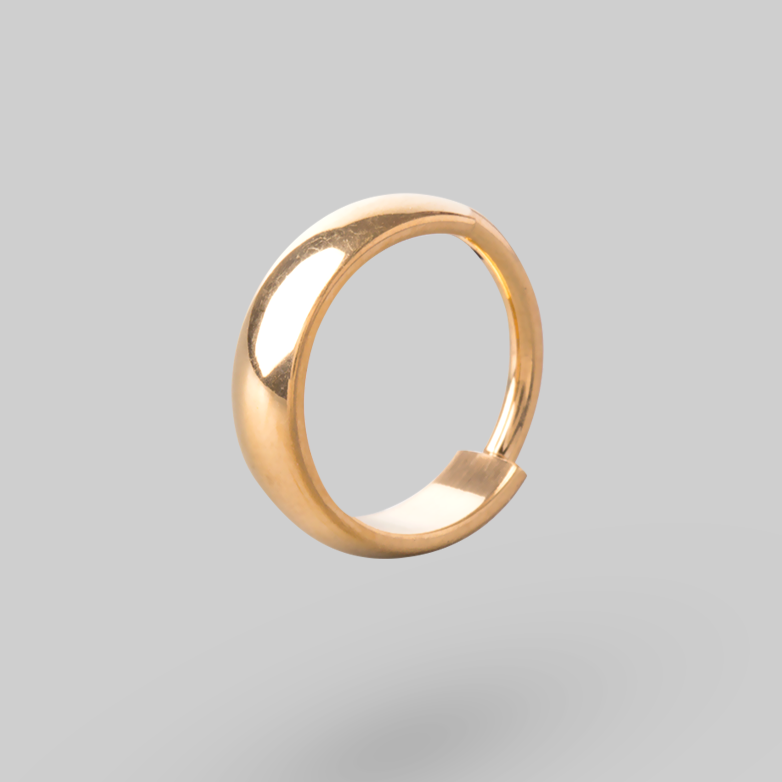
If you really want a hoop in your flat, wait until full healing is complete and then experiment with small, lightweight seamless hoops. Start with short wear periods and monitor how your piercing responds. Some flat piercings adapt well to hoops over time, whilst others remain stubborn and prefer studs. Listen to your body.
Frequently Asked Questions
How long does a flat piercing take to heal?
Full healing typically takes 6–12 months. The initial acute phase (heaviest swelling and tenderness) lasts 2–3 weeks, but the fistula (piercing channel) continues strengthening for several more months. Everyone heals at their own pace, and factors like sleep, aftercare consistency, and genetics influence the timeline.
Does a flat piercing hurt more than a helix?
Yes, typically. Flat piercings are rated 5–7 out of 10 on the pain scale, whilst helix piercings are usually 4–5. The difference comes down to cartilage thickness; the flat has thicker cartilage than the helix, so the needle sensation is more intense. However, pain is subjective, and your experience depends on your pain tolerance and your piercer’s skill.
What jewellery is best for a flat piercing?
Threadless labret studs are the gold standard. They’re easy to clean, comfortable to wear, and allow for endless customisation with different decorative tops. Internally threaded options are acceptable alternatives. Avoid hoops during healing and even during long-term wear, as they don’t suit the flat’s anatomy as well.
Can I sleep on my flat piercing?
Not for the first 6–8 weeks at least. The pressure from sleeping on a fresh flat piercing slows healing significantly and causes unnecessary swelling. Sleep on your opposite side, use a donut pillow, or try a travel pillow to protect the area. Even after healing, be mindful about pressure on this piercing.
How do I know if my flat piercing is infected?
Watch for signs like increasing redness, warmth, pus (yellowish or greenish discharge), severe pain that worsens after the first week, or fever. A small amount of clear or slightly yellowish discharge is normal during healing, but thick, foul-smelling discharge indicates infection. If you suspect infection, contact your piercer or doctor immediately. Don’t remove the jewellery, as keeping the channel open helps the infection drain.
Can I change my flat piercing myself?
Once your piercing is fully healed (after 6–12 months), yes, you can change it yourself. However, until then, ask your piercer to change it if needed. The fistula is delicate during healing, and changing jewellery yourself risks tearing the channel or introducing bacteria. Always clean your hands thoroughly and use sterile or freshly cleaned jewellery.
What gauge is a flat piercing?
The standard gauge for a flat piercing is 16g (1.2mm). This is the most common size for cartilage ear piercings, making it easy to find a wide range of jewellery options. Some piercers may use 18g (1.0mm) depending on your anatomy and preference.
Is a flat piercing good for an ear stack?
Absolutely. The flat is a fantastic addition to an ear stack. Its position at eye level makes it a natural focal point, and it pairs beautifully with helix, conch, tragus, and daith piercings. Many piercers recommend getting flat and helix piercings together as the foundation of a curated ear.
Can I get multiple flat piercings?
Yes, though the anatomy of the flat area is limited. Some people successfully have two flat piercings, one above the other, but this requires suitable anatomy and an experienced piercer who can plan the placement carefully. Most people get one flat per ear as part of a larger ear project. If you want multiple piercings at once, discuss the plan with your piercer first.
Will a flat piercing close if I take it out?
Once your piercing is fully healed (after 6–12 months), it should stay open for a reasonable period without jewellery, depending on your individual healing. However, even fully healed flat piercings can close more quickly than earlobe piercings if left empty for extended periods. If you remove your jewellery, reinsertion might be tender or difficult after a few days or weeks. To be safe, keep jewellery in your flat at all times unless you’re changing it.
Key Takeaways
- Pain and Healing: Expect a pain level of 5–7 out of 10, with full healing taking 6–12 months. Be patient and consistent with aftercare.
- Aftercare is Essential: Saline soaks, avoiding pressure whilst sleeping, and not touching the piercing are the cornerstones of successful healing.
- Jewellery Matters: Threadless labret studs are the ideal choice. They’re comfortable, customisable, and suit the flat’s anatomy perfectly.
- Material Choice: Use implant-grade titanium during healing. Avoid plated or unknown metals. Solid gold and certified steel are fine once fully healed.
- Sleeping Position: Sleep on your opposite side for the first 6–8 weeks. A donut pillow provides excellent protection.
- Hoops Aren’t Ideal: The flat suits studs far better than hoops. If you want a hoop, wait until complete healing and proceed cautiously.
Ready to Find Jewellery for Your Flat Piercing?
Browse our full range of cartilage piercing jewellery and discover the perfect threadless labret studs for your flat piercing. From minimalist designs to ornate gem clusters, we stock titanium, surgical steel, and gold options to suit every style.
Explore Our Cartilage Piercing Jewellery | Shop Threadless Labret Studs
Stop The Reaction Before It Starts
90% of piercing irritation comes from poor quality metal. Upgrade to ASTM F-136 Implant Grade Titanium-the biocompatible gold standard used by professional piercers worldwide.
Myths vs. Reality
Myth: "Itchiness means infection."
False. Infection usually involves throbbing pain, heat, extreme swelling, and yellow/green pus. Mild itching alone is rarely an infection.
Myth: "Turn the jewelry to scratch the itch."
Never twist! Twisting breaks the healing seal, introduces bacteria inside the wound, and extends healing time by weeks.
Why Shop Camden?
-

Implant Grade Titanium
ASTM F-136 Compliant
-

Tracked UK Delivery
Free over £40
-

Sterilised Piercing Jewellery
Keeping your skin safe