Forward Helix Piercing: Pain, Healing, Jewellery & Aftercare Guide (2026)
Forward Helix Piercing: Pain, Healing, Jewellery & Aftercare Guide (2026)
The forward helix has become one of the most requested ear piercings in recent years, and it’s easy to see why. Sitting neatly at the front curve of the ear, it’s subtle enough for everyday wear yet striking enough to catch attention. Whether you’re considering a single forward helix, a double, or even a triple stack, this guide covers everything you need to know before and after getting pierced.
What Is a Forward Helix Piercing?
A forward helix piercing passes through the upper cartilage ridge at the front of the ear, directly above the tragus. Unlike a standard helix piercing which sits along the outer rim, the forward helix occupies the small curved fold where the ear meets the head. This prime piece of cartilage real estate is surprisingly versatile.
You can get a single forward helix for a minimalist look, or stack two or three piercings vertically along the fold for a curated ear aesthetic. Triple forward helix piercings have become particularly popular, creating a neat line of gems or studs that frame the upper ear beautifully.
Forward Helix vs Other Ear Piercings
| Piercing Type | Location | Pain Level (1–10) | Healing Time | Best Jewellery |
|---|---|---|---|---|
| Forward Helix | Front upper cartilage fold | 5–6 | 6–12 months | Flatback labret, tiny hoop |
| Standard Helix | Upper outer ear rim | 4–5 | 6–12 months | Hoop, barbell, labret |
| Tragus | Small cartilage flap over ear canal | 5–6 | 6–12 months | Flatback labret, small hoop |
| Daith | Innermost cartilage fold | 5–7 | 9–12 months | Clicker ring, curved barbell |
| Rook | Anti-helix ridge | 6–7 | 9–12 months | Curved barbell, clicker ring |
| Conch | Large flat cartilage area | 5–7 | 6–12 months | Labret stud, large hoop |
How Painful Is a Forward Helix Piercing?
Most people rate the forward helix around a 5 or 6 out of 10 for pain. The cartilage in this area is relatively thin compared to something like a rook or industrial piercing, so the actual needle pass tends to be brief and manageable. You’ll feel a sharp pinch followed by pressure and warmth.
A few things influence how much it hurts. Thicker cartilage folds can be slightly more uncomfortable, and if you’re getting a double or triple forward helix in one session, the second and third piercings may sting a little more because of the swelling from the first. Many piercers recommend spacing multiple forward helix piercings across separate appointments to reduce discomfort and give each one the best chance to heal properly.
The area can feel tender and warm for several days afterwards, but sharp pain should subside within the first week. If it doesn’t, that’s worth mentioning to your piercer.
Forward Helix Healing Timeline
Cartilage piercings are notoriously slow healers, and the forward helix is no exception. Expect a total healing period of 6 to 12 months, with most people finding their piercing fully settled between 8 and 10 months.
Weeks 1 to 2: Initial Healing
Swelling, redness, and tenderness are completely normal during this stage. You may notice some clear or slightly yellowish fluid around the piercing site; this is lymph fluid and is part of the healing process, not a sign of infection. Avoid touching, twisting, or sleeping on the piercing.
Weeks 3 to 8: Settling Phase
Swelling should gradually reduce. The piercing may still feel sensitive, especially if bumped or caught on clothing, hair, or headphones. Crusties (dried lymph) will form around the jewellery. Let them soften in the shower and gently rinse away rather than picking at them.
Months 3 to 6: Intermediate Healing
The piercing will start to feel much more comfortable. Some people mistake this stage for full healing, but the internal fistula (the tunnel of skin inside the piercing) is still maturing. Resist the temptation to change your jewellery too early. Swapping to a hoop before the piercing is properly healed is one of the most common causes of irritation bumps.
Months 6 to 12: Full Maturation
By around the 8-month mark, most forward helix piercings are well on their way to being fully healed. The tissue inside the channel firms up, and the piercing becomes much more resilient to knocks and pressure. Your piercer can confirm when it’s safe to change your jewellery.
Best Jewellery for a Forward Helix Piercing
The forward helix suits several jewellery styles, but the right choice depends on your healing stage and the look you’re after.
Flatback Labrets (Best for Initial Piercing)
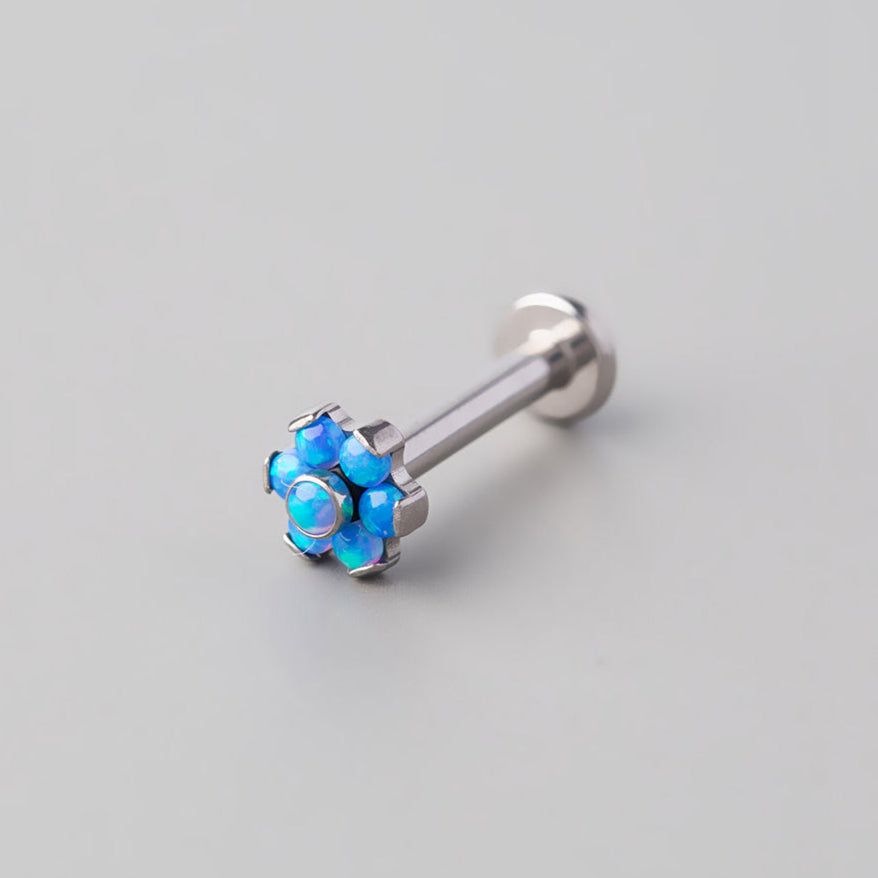
Threadless flatback labrets are the gold standard for forward helix piercings. The flat disc sits flush against the back of the ear, so there’s nothing to snag on pillows, hair, or headphones. Most piercers will use a 16-gauge (1.2mm) labret with a 6mm or 8mm post length to allow for initial swelling. Once healed, you can downsize to a shorter post for a snugger fit.
Tiny Hoops and Clicker Rings
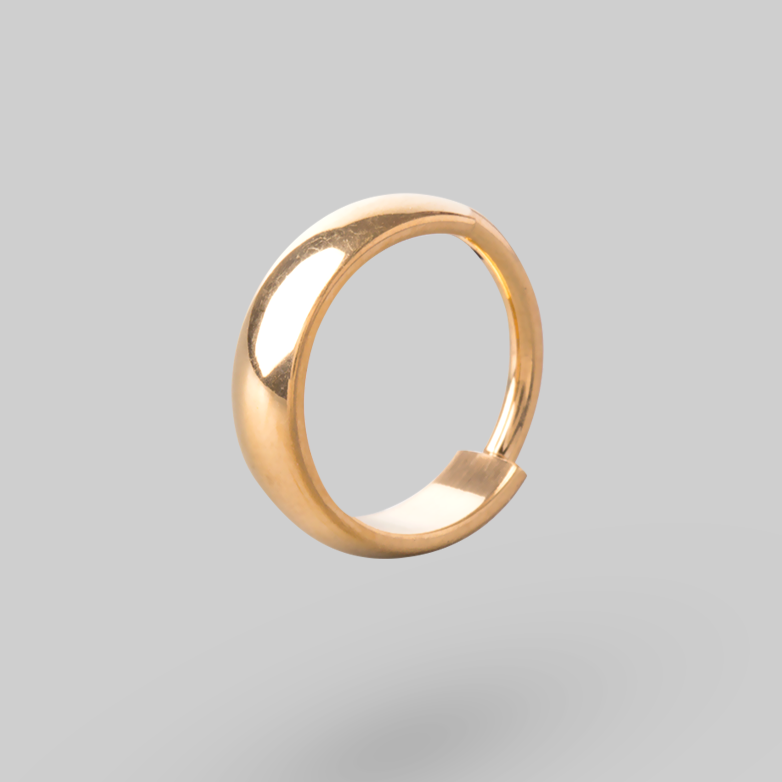
Small hoops (typically 6mm or 8mm inner diameter) look stunning in a healed forward helix. They create a delicate wraparound effect that frames the front of the ear. Wait until your piercer confirms full healing before switching to a ring, as the movement of a hoop in an unhealed piercing can cause irritation.
Curved Barbells
Curved barbells are less common in forward helix piercings but can work well, especially in ears where the anatomy creates a deeper fold. They offer a unique look that sits differently from a standard labret.
Jewellery Materials: What to Choose and What to Avoid
| Material | Suitable for Healing? | Nickel Content | Notes |
|---|---|---|---|
| Implant-Grade Titanium (ASTM F136) | Yes – recommended | Virtually none | Lightweight, hypoallergenic, can be anodised to different colours |
| Implant-Grade Steel (ASTM F138) | Yes | Low (bound in alloy) | Durable, polished finish; avoid if you have a known nickel sensitivity |
| Niobium | Yes | None | Excellent biocompatibility, slightly heavier than titanium |
| 14K or 18K Solid Gold | Yes (with caution) | Varies by alloy | Safe for most people; avoid gold-plated or gold-filled pieces in healing piercings |
| Surgical Steel (generic/ungraded) | Not recommended | Higher | Broad term with no guaranteed standard; can cause reactions |
| Acrylic or Cheap Metals | No | Variable | Porous, can harbour bacteria; avoid in any cartilage piercing |
For the best healing outcome, implant-grade titanium (ASTM F136) is always our top recommendation. It’s lightweight, hypoallergenic, and trusted by professional piercers worldwide. Browse our full range of helix and forward helix jewellery to find the perfect piece in titanium, steel, or gold.
Forward Helix Aftercare: How to Look After Your Piercing
Proper aftercare is the single biggest factor in how well your forward helix heals. The good news is that it’s straightforward. For a detailed breakdown of cleaning routines, see our full piercing aftercare guide.
Daily Cleaning Routine
Clean your forward helix twice a day using a sterile saline solution (0.9% sodium chloride with no additives). You can buy pre-made piercing saline sprays, or make your own by dissolving a quarter teaspoon of non-iodised sea salt in one cup of warm distilled water. Spray or soak the piercing for 30 to 60 seconds, then let it air dry or gently pat dry with a clean piece of kitchen roll. Avoid cotton wool or towels, as loose fibres can catch on the jewellery.
What to Avoid During Healing
Cartilage piercings are more prone to complications than lobe piercings, so giving your forward helix the best possible environment to heal is important. Avoid the following during the healing period:
- Touching or twisting the jewellery. This is the number one cause of irritation bumps. The old advice to “rotate your piercing” has been debunked; leave it alone and let your body do the work.
- Sleeping on the pierced side. Pressure from your pillow can cause the piercing to shift, swell, and develop bumps. A travel pillow with a hole in the centre can help if you’re a side sleeper. Read our guide on sleeping with a new piercing for more tips.
- Submerging in water. Avoid swimming pools, hot tubs, lakes, and baths for at least three months. Showers are fine.
- Using harsh cleaning products. Avoid alcohol, hydrogen peroxide, tea tree oil, and antibacterial soap on the piercing. These can dry out the tissue and slow healing.
- Changing jewellery too early. Wait until your piercer confirms full healing before swapping your initial jewellery for something new.
- Over-ear headphones. These press directly on the forward helix area. Switch to earbuds or in-ear headphones during the healing period.
Common Problems and How to Handle Them
Irritation Bumps
A small, raised bump near the piercing hole is almost always an irritation bump rather than a keloid. These are caused by pressure, movement, or poor aftercare. In most cases, the fix is simple: stop touching it, check your sleeping habits, ensure your jewellery is the correct material and size, and stick to saline cleaning. Most irritation bumps resolve within a few weeks once the source of irritation is removed. Read our full guide on piercing bumps vs keloids vs infections if you’re unsure what you’re dealing with.
Swelling That Won’t Go Down
Some forward helix piercings swell more than others, particularly if the cartilage in that area is thick. If your jewellery post is too short and the swelling causes the ends to press into your skin, visit your piercer for a longer post. Wearing jewellery that’s too tight can cause embedding, which is much harder to fix than simply upsizing early on.
Signs of Infection
True infections are relatively rare with proper aftercare, but they do happen. Warning signs include: increasing pain after the first week rather than decreasing, thick green or dark yellow discharge with a foul smell, the area feeling hot to the touch, and red streaks spreading outward from the piercing. If you notice any of these, see your GP or a medical professional. Do not remove the jewellery, as this can trap the infection beneath the skin.
Forward Helix Jewellery Sizes: What You Need to Know
Getting the right size jewellery is essential for both comfort and healing. Here’s a quick reference for the most common forward helix sizes.
Gauge: Most forward helix piercings are done at 16 gauge (1.2mm). Some piercers use 18 gauge (1.0mm) for very small or delicate ears.
Post length (labrets): Initial jewellery is usually 6mm or 8mm to accommodate swelling. Once healed, most people downsize to a 5mm or 6mm post for a comfortable, close-fitting look.
Hoop diameter: For healed piercings, 6mm inner diameter is the most popular for a snug fit. An 8mm hoop gives a slightly more relaxed, visible look. The right size depends on your ear anatomy, so it’s worth having your piercer measure before ordering.
Double and Triple Forward Helix Piercings
Stacking multiple piercings along the forward helix fold is one of the biggest trends in curated ear styling. A double forward helix features two piercings stacked vertically, while a triple adds a third for maximum impact.
There are a few practical things to consider. Each piercing needs adequate space between them (typically 3 to 4mm) for comfortable jewellery placement and to allow independent healing. Getting all three done in a single session is possible, but many piercers recommend doing them one at a time, spaced a few months apart. This reduces total swelling, makes aftercare easier, and gives each piercing the attention it needs.
Matching jewellery across a double or triple forward helix creates a cohesive look. Small gemstone ends in the same cut but descending sizes, or a trio of identical tiny studs, both work beautifully. Threadless labrets make it easy to swap just the decorative top without removing the entire post.
Can You Wear Earbuds or Headphones with a Forward Helix?
This is one of the most common questions about the forward helix, and the answer depends on the type of headphones and your healing stage.
Over-ear headphones: These typically rest right on the forward helix area. Avoid them for at least the first three to four months, and use them cautiously after that. If they cause any pressure or discomfort, switch to an alternative.
In-ear earbuds: Standard earbuds that sit inside the ear canal are usually fine from early on, as they don’t touch the forward helix. However, earbuds with larger silicone tips or wing-style grips may press against the area. Test carefully.
AirPods-style earbuds: These generally don’t interfere with a forward helix piercing because they sit in the concha area of the ear, below where the piercing sits.
How Much Does a Forward Helix Piercing Cost?
The cost of a forward helix varies depending on the studio, the experience of the piercer, and the jewellery you choose. Reputable piercers who use implant-grade materials and follow strict hygiene protocols will naturally charge more than budget studios. Always prioritise the quality and safety of the studio over the price. A well-done piercing with high-quality jewellery will save you money and hassle in the long run compared to a cheap piercing that causes complications.
When comparing studios, ask what’s included in the price. Some studios include the jewellery in their piercing fee, while others charge separately for the procedure and the jewellery.
Frequently Asked Questions
How long does a forward helix take to heal?
A forward helix piercing typically takes 6 to 12 months to fully heal. Most people find theirs is well-healed between 8 and 10 months with proper aftercare. Cartilage heals more slowly than soft tissue, so patience is key.
Does a forward helix piercing hurt more than a lobe piercing?
Yes, a forward helix is noticeably more painful than a standard lobe piercing because it goes through cartilage rather than soft tissue. Most people rate it around 5 to 6 out of 10, compared to 2 to 3 for a lobe. The sharp sensation is brief, lasting only a second or two.
Can I get a forward helix pierced with a hoop?
Most professional piercers will use a flatback labret for the initial piercing rather than a hoop. Hoops move more during healing, which increases the risk of irritation bumps and slows the process. You can switch to a hoop once fully healed.
What gauge is a forward helix piercing?
The standard gauge for a forward helix is 16g (1.2mm). Some piercers use 18g (1.0mm) for smaller ears. It’s important to know your gauge when buying replacement jewellery to ensure a proper fit.
Can I get a double or triple forward helix in one sitting?
It’s possible, and some piercers are happy to do it. However, multiple cartilage piercings at once increase total swelling and can extend the overall healing time. Many piercers recommend spacing them out by at least two to three months for the best results.
Why is my forward helix piercing swollen after a week?
Swelling for the first one to two weeks is completely normal with any cartilage piercing. The forward helix area is particularly prone to swelling because of its position. If swelling persists beyond two to three weeks or worsens, consult your piercer to check the jewellery fit.
When can I change my forward helix jewellery?
Wait at least 6 months, and ideally until your piercer confirms full healing. Changing jewellery too early is one of the most common causes of setbacks. Your piercer can do the first swap for you to make sure it goes smoothly.
Can I sleep on my forward helix piercing?
You should avoid sleeping on the pierced side for at least the first three to four months, and ideally until fully healed. Side pressure from a pillow is a leading cause of irritation bumps and prolonged healing. A travel pillow or piercing pillow can help. See our guide on sleeping with piercings for more advice.
Is a forward helix the same as a regular helix?
No. A regular helix sits along the upper outer rim of the ear, while a forward helix is at the front of the ear where the cartilage folds inward, directly above the tragus. They use similar jewellery but occupy different positions. Learn more in our full helix piercing guide.
What should I do if I get an irritation bump on my forward helix?
First, identify the cause. The most common triggers are sleeping on it, touching it, wearing the wrong jewellery material, or having a post that’s too short. Switch to saline-only cleaning, avoid all pressure and contact, and give it a few weeks. If it doesn’t improve, visit your piercer for an assessment.
Key Takeaways
- The forward helix piercing sits at the front fold of the ear above the tragus, and heals in 6 to 12 months.
- Pain is moderate (5–6 out of 10) and the sharp sensation lasts only seconds.
- Implant-grade titanium flatback labrets are the best starting jewellery. Switch to hoops only after full healing.
- Clean twice daily with sterile saline solution. Avoid touching, twisting, and sleeping on the pierced side.
- Irritation bumps are common but usually resolve quickly once the cause is addressed.
- For double or triple forward helix piercings, spacing sessions a few months apart gives the best healing results.
- Always visit a reputable, experienced piercer who uses implant-grade materials.
Shop Forward Helix Jewellery at Camden Body Jewellery
Ready to find the perfect piece for your forward helix? We stock a wide range of implant-grade titanium labrets, tiny hoops, and decorative tops in various styles and colours. All our jewellery is sterilised and ready to wear.
Read Next
Stop The Reaction Before It Starts
90% of piercing irritation comes from poor quality metal. Upgrade to ASTM F-136 Implant Grade Titanium-the biocompatible gold standard used by professional piercers worldwide.
Myths vs. Reality
Myth: "Itchiness means infection."
False. Infection usually involves throbbing pain, heat, extreme swelling, and yellow/green pus. Mild itching alone is rarely an infection.
Myth: "Turn the jewelry to scratch the itch."
Never twist! Twisting breaks the healing seal, introduces bacteria inside the wound, and extends healing time by weeks.
Why Shop Camden?
-

Implant Grade Titanium
ASTM F-136 Compliant
-

Tracked UK Delivery
Free over £40
-

Sterilised Piercing Jewellery
Keeping your skin safe