Helix Piercing: Types, Jewellery, Sizes & Healing Guide (2026)
Helix Piercing: Types, Jewellery, Sizes & Healing Guide (2026)
Key Takeaways
- Helix piercings are performed on the outer curved cartilage of the ear in multiple stacking positions
- Standard gauge is 1.2mm (16g) or 1.6mm (14g) with typical internal diameter of 8–10mm
- Full healing takes 6–12 weeks with proper titanium jewellery and daily saline soaks
- UK piercing costs range at great value–varies depending on location and piercer experience
- Double, triple, and forward helix variations offer creative stacking options for aesthetic impact
- Titanium is the gold standard material; surgical steel is a budget-friendly alternative
- Sleeping position and headphone use are critical healing factors - side sleepers need special care
What Is a Helix Piercing?
A helix piercing is a cartilage piercing on the outer curved rim of the ear, positioned along the spiral-shaped edge that runs from the top of the ear downward. The term "helix" refers to the anatomical structure itself - the curved cartilage that forms the prominent outer rim of the ear. This positioning makes it one of the most visible and popular ear piercings, and it's ideal for showcasing decorative jewellery designs.
The helix is a natural stacking location, meaning multiple piercings can be placed vertically along the same curved edge to create a visually striking aesthetic. This versatility has made helix piercings a staple in modern ear modification culture. Unlike lobe piercings, which penetrate soft tissue, helix piercings go through cartilage, making them slightly more challenging to heal and requiring more careful aftercare.
Helix piercings are performed by pushing a sterile needle through the cartilage at a specific angle, creating a channel for jewellery. Professional piercers use either hollow surgical needles (the standard method) or dermal punches for larger gauges. The procedure is quick - typically completed in under a minute - though sensation varies from person to person.
What Are the Different Types of Helix Piercings?
The helix family extends beyond the basic single piercing. Professional piercers and clients have developed multiple variations to create different aesthetic effects. Here's a comprehensive breakdown of each type:
Standard (First) Helix
The original single helix piercing, typically placed in the upper third of the helix curve. This is the most common starting position for anyone new to helix piercings and serves as the foundation for stacked designs. It's the most visible position from a frontal view and shows off jewellery beautifully.
Second/Third Helix (Stacked)
Additional piercings placed vertically below the first helix, creating a "stack" effect that can extend down the ear. Most people can accommodate 2–4 helix piercings along the same curve without spacing issues, though this depends on ear anatomy. Stacked helix piercings are particularly popular with titanium hoops and segment rings that echo each other in design.
Double Helix
Two piercings placed horizontally across the helix - one on the outer edge and one on the inner curved portion. This creates depth and visual interest in a single placement session. Double helix piercings require excellent spatial awareness from the piercer to ensure both holes heal symmetrically.
Triple Helix
Three piercings strategically placed to maximise visual impact: typically two standard helix piercings stacked vertically, plus a forward helix piercing. This configuration requires 12–20 weeks for complete healing across all three sites and demands meticulous aftercare consistency.
Forward Helix
A piercing on the inner curved edge of the helix, closer to the front of the ear. Forward helix piercings are positioned at roughly a 45-degree angle and are more concealed than standard helix placements. They're excellent for clients who want a helix piercing but prefer subtlety. Browse our complete forward helix collection.
For a detailed comparison of helix types, see the table below:
| Helix Type | Position | Healing Time | Pain Level | Visibility |
|---|---|---|---|---|
| Standard Helix | Outer upper-middle curve | 6–12 weeks | 3–4/10 | Very high |
| Double Helix | Horizontal across helix edge | 8–14 weeks | 4–5/10 | High |
| Triple Helix (Stacked) | Vertical spacing along curve | 12–20 weeks | 5–6/10 | Very high |
| Forward Helix | Inner curve, front-facing | 8–12 weeks | 4/10 | Moderate |
How Much Does a Helix Piercing Cost in the UK?
Helix piercing costs in the United Kingdom vary based on several factors: piercer expertise, studio location, jewellery quality, and whether additional services (sterile gauze, aftercare products) are included.
UK Pricing Breakdown
- Budget piercing studios: Varies Entry-level piercers or high-volume studios typically offer this rate. Healing outcomes depend heavily on aftercare quality.
- Mid-range professional piercers: Varies Experienced piercers in established studios offering quality titanium jewellery and proper aftercare consultation.
- Premium piercers/major cities: Varies Highly experienced piercers in London, Manchester, and other major centres, often with custom jewellery options and extended aftercare support.
- Multiple piercings: Double helix often costs Varies (both piercings); triple helix Varies depending on studio and piercer.
Most UK studios include the initial jewellery in the piercing price, typically a sterile titanium or surgical steel starter piece. Additional jewellery for changing after healing must be purchased separately. Explore our helix jewellery collection for premium titanium options suitable for initial wear or healed piercings.
What Gauge and Size Is a Helix Piercing?
Understanding helix piercing sizing is crucial for ordering jewellery and discussing your piercing with professionals. The UK body jewellery industry uses both millimetre (mm) and gauge measurements.
Standard Helix Gauges
| Gauge (AWG) | Millimetre (mm) | Diameter Thickness | Typical Use |
|---|---|---|---|
| 18g | 1.0mm | Very delicate | Rare; occasional delicate studs only |
| 16g | 1.2mm | Standard | Most common initial piercing size |
| 14g | 1.6mm | Slightly heavier | Popular for those wanting more substantial jewellery |
| 12g | 2.0mm | Heavy | Rare; requires 14g healing first, then stretching |
Internal Diameter (ID) and Wearable Length
Beyond gauge, you'll need to know the internal diameter (ID) - the usable measurement inside your piercing channel. This determines which jewellery styles fit comfortably:
- 6mm ID: Very tight; rarely used for helix piercings; suitable only for certain curved barbells or small hoops
- 8mm ID: Standard for helix piercings; accommodates most popular segment rings, clickers, and continuous hoops
- 10mm ID: Common for larger helix piercings or those performing a second change to larger jewellery
- 12mm ID: Less common; used for creative stacking effects or when substantial hoop size is desired
Most helix piercings are performed at 1.2mm (16g) with 8mm internal diameter. This is considered the industry standard because it accommodates the vast majority of commercially available helix jewellery while remaining suitable for cartilage healing.
Jewellery Styles by Gauge
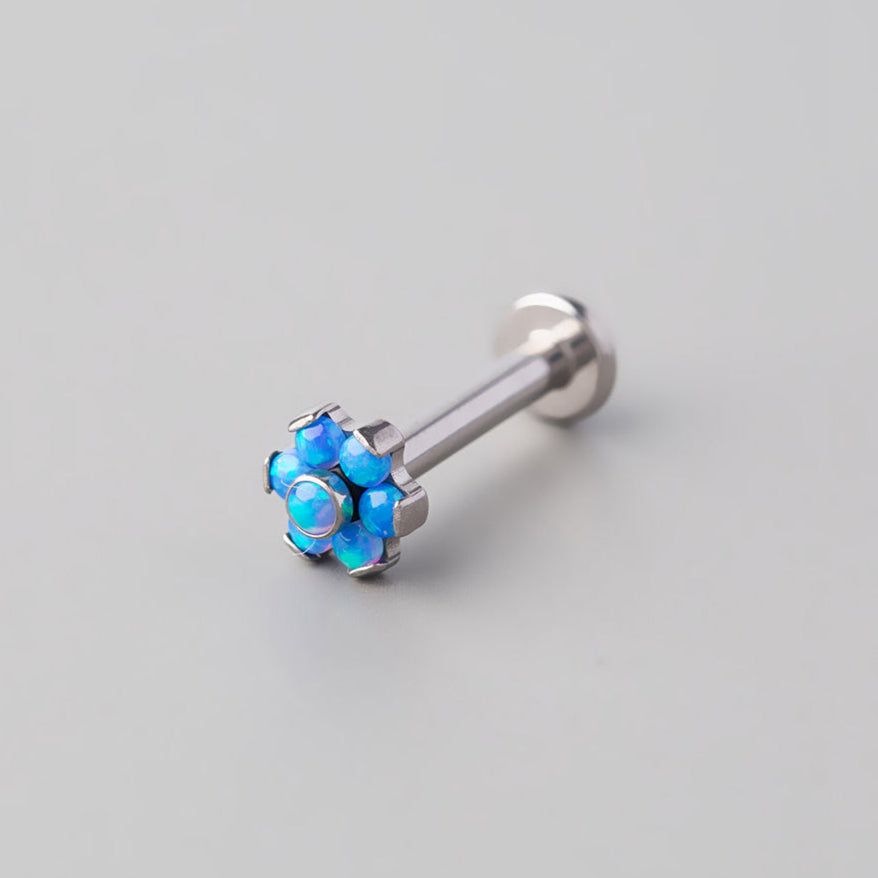
16g (1.2mm) jewellery options: Segment rings, clickers, continuous hoops, curved barbells, shields, and body-lock designs. This is the most versatile gauge with the widest selection of styles.
14g (1.6mm) jewellery options: Segment rings, clickers, hinged segment rings, and some cartilage studs. Slightly heavier designs suit those who prefer substantial jewellery presence.
How Long Does a Helix Piercing Take to Heal?
Helix piercing healing occurs in two distinct phases: initial surface healing and complete cartilage ossification. Understanding the difference is crucial for aftercare decisions.
Healing Timeline
| Phase | Duration | What's Happening | Care Focus |
|---|---|---|---|
| Week 1–2: Acute Inflammation | Days 1–14 | Wound formation, blood clotting, initial keratin layer development; redness, warmth, and light discharge are normal | Saline soaks 2–3 times daily; avoid touching; keep dry between soaks |
| Week 3–6: Epithelialisation | Days 15–42 | Keratin layer thickens; discharge may increase slightly; outer surface feels more stable | Continue saline soaks once daily; gentle rotation if jewellery is fixed; monitor for bumps |
| Week 7–12: Collagen Deposition | Days 43–84 | Internal cartilage strengthening; piercing becomes less tender; discharge decreases significantly | Reduce soaks to 2–3 times weekly; can begin careful jewellery changes; avoid trauma |
| Week 13+: Maturation | Day 85+ | Complete cartilage remodelling; fistula (piercing channel) becomes stable; risk of infection drops dramatically | Standard aftercare; jewellery changes become routine; piercing is considered healed |
Factors Affecting Healing Speed
Faster healing (6–8 weeks): Titanium jewellery, consistent saline aftercare, stable sleep position, minimal trauma, good immune health, younger age (teens to early 30s), no medication affecting healing.
Slower healing (10–16 weeks): Surgical steel (vs. titanium), inconsistent aftercare, frequent sleep on piercing side, repeated trauma, immunosuppressive medications, sleep apnoea (causing mouth breathing), older age, smoking, or previous piercing complications.
Professional Recommendation
Most piercing professionals recommend waiting 8–12 weeks before attempting your first jewellery change. For multiple piercings (double or triple helix), stagger healing expectations: if all piercings are done simultaneously, assume 12–20 weeks for complete healing of the entire set. Read our complete aftercare guide for step-by-step healing protocols.
Can You Sleep on a Helix Piercing?
Sleep position is one of the most critical - and most overlooked - factors in helix piercing healing. Sleeping on a fresh helix piercing introduces several risks: pressure trauma, delayed healing, increased discharge, higher infection risk, and keloid/bump formation.
Sleep Recommendations by Healing Phase
Weeks 1–4 (Acute phase): Avoid sleeping on the pierced ear entirely. Sleep on the opposite side or flat on your back. If side sleeping is essential, use a travel pillow with a hole cut out to cradle your head without contact to the pierced ear.
Weeks 5–8 (Mid-healing): Minimise pressure on the piercing. If you must sleep on that side, use a specialised piercing pillow or create a donut cushion from medical tape and clean gauze. Many piercers recommend this phase as transitional - try to still favour your non-pierced side.
Weeks 9–12 (Late healing): Light pressure is tolerable, but continued avoidance is ideal. If you're a natural side sleeper on the pierced side, ensure you're using a soft pillow and that your earring isn't being bent or pressed inward.
Week 13+ (Mature piercing): Sleep position becomes much less critical. The fistula is stable, and moderate pressure won't cause major issues. However, avoid aggressive compression or sleeping face-down on the jewellery for extended periods.
Practical Sleep Solutions
- Travel pillow method: Use a memory foam travel pillow positioned so the pierced ear fits into the central hole, removing direct pressure
- Donut cushion: Create a 2–3 inch ring from medical tape or craft foam; position under the piercing area
- Back sleeper transition: Train yourself to sleep on your back for 4–8 weeks. Use a pillow that keeps your head centred
- Specialised piercing pillows: Brands like PainfulPleasures and BodyJ4You offer piercing-specific pillows with contoured cutouts
- Temporary solutions: If changing sleep habits is impossible, wrap the ear loosely with medical tape at night (not too tight) to reduce unconscious contact pressure
Sleep-related complications are one of the leading causes of extended healing times and bump formation in helix piercings. Prioritise sleep position changes in your first 8 weeks above almost every other variable.
Product Recommendations: Premium Helix Jewellery
Quality jewellery is non-negotiable for helix piercing healing. Low-grade metals can trigger reactions, infections, or allergies that delay or compromise healing. We recommend these premium options:
Segment Ring Silver – Titanium Grade 23

Specifications: 16g (1.2mm), 8mm internal diameter, implant-grade titanium (ASTM F136), polished silver finish
Why it's ideal for helix piercings: Segment rings are the preferred style for initial wear due to their fixed seam design - no moving parts means zero irritation from rotation. Titanium is hypoallergenic and promotes optimal healing. The minimalist design allows discharge to drain naturally.
Price: Varies
Best for: Initial piercing wear and the first 8–12 weeks of healing
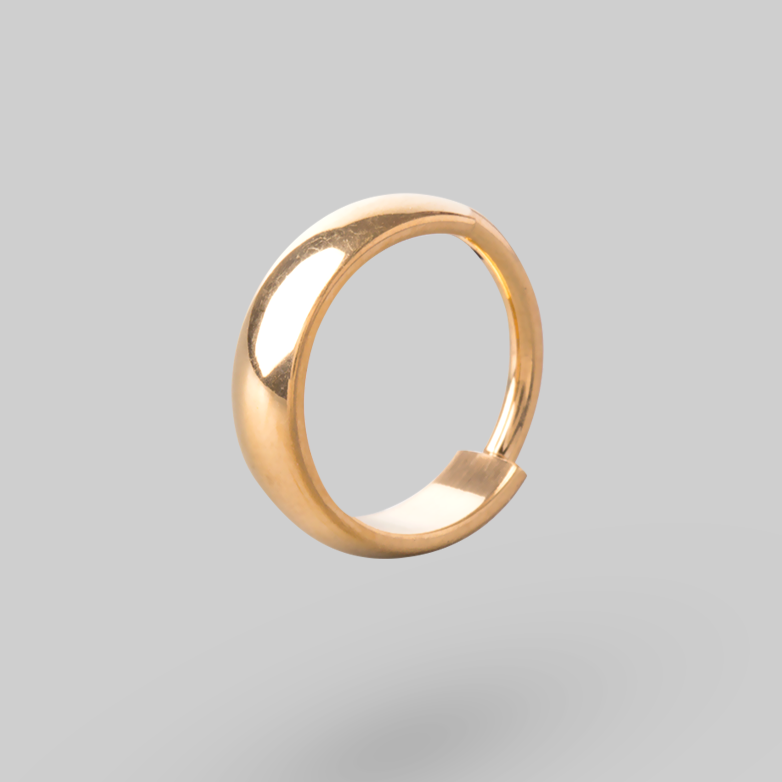
Clicker Ring Gold – Titanium with Gold-Plated Finish

Specifications: 16g (1.2mm), 8mm internal diameter, titanium base with 18K gold plating, secure clicking mechanism
Why it's ideal for helix piercings: Once healing reaches week 8–10, clicker rings offer a sophisticated, seamless appearance. The clicking mechanism ensures the jewellery stays exactly where you position it without external pressure needed. Gold finish suits all skin tones and professional settings.
Price: Varies
Best for: Post-healing (week 10+) for a polished, everyday look; ideal for stacked helix piercings
Why Material Choice Matters
Titanium (ASTM F136 or F67): The gold standard. Hypoallergenic, non-reactive, lightweight, and promotes healing. Implant-grade titanium contains zero nickel and minimal impurities. Cost premium: Varies more than surgical steel, but worth every penny for healing piercings.
Surgical Steel (316L stainless): Budget-friendly but riskier. Contains trace nickel (typically 8–12%), which triggers reactions in 10–15% of the population. Fine for healed piercings if you're not nickel-sensitive, but avoid for fresh piercings unless titanium is unavailable.
Gold plating over titanium: Safe if the base is titanium and plating is 18K or higher. Avoid cheap plating that flakes off, exposing the base metal to healing tissue.
Avoid entirely: Acrylic, bioplast, surgical plastic, mystery "surgical steel" from unknown sources, and anything competitive prices for initial wear.
Helix Piercing Aftercare Essentials
Proper aftercare determines whether your helix piercing heals smoothly in 6–8 weeks or becomes a months-long struggle. Follow these evidence-based protocols:
Daily Care Routine (Weeks 1–6)
- Saline soaks: 2–3 times daily with sterile saline solution (0.9% sodium chloride). Mix at home: 1/4 teaspoon non-iodised salt in 8oz distilled water, heated to body temperature. Soak for 5–10 minutes by cupping your ear or using a saline-soaked pad held against the piercing.
- Gentle patting: After soaking, pat dry with a fresh, disposable paper towel. Never reuse cloth towels, as they harbour bacteria.
- Jewellery handling: Wash hands thoroughly before touching your piercing. If jewellery rotation is needed (ask your piercer), do so only after saline soaks when the area is soft.
- Discharge management: Light yellow or clear discharge is normal. If discharge is green, brown, or has a foul odour, consult your piercer immediately.
Weekly Care (Weeks 1–12)
- Extended saline soak: Once weekly, perform a 15-minute saline soak to deeply cleanse the fistula
- Headphone avoidance: Don't wear earbuds or headphones on the pierced ear for at least 8 weeks. If music is essential, use speakers or headphones on the opposite ear.
- Hair management: Keep hair away from the piercing. Use a loose bun or ponytail secured away from the ear.
- Medication check: Verify any new medications don't contain nickel (rare, but possible in some supplements)
Avoid These (Weeks 1–12)
- Swimming in chlorinated pools or seawater (introduces bacteria and irritants)
- Sleeping on the pierced side (discussed in detail above)
- Twisting or rotating jewellery unnecessarily
- Using hydrogen peroxide or alcohol (damages healing tissue)
- Applying makeup or skincare products near the piercing
- Hats, beanies, or headbands that press on the piercing
- Touching the piercing with unwashed hands
Troubleshooting Common Helix Piercing Issues
Keloids and Hypertrophic Bumps
A painful, enlarged bump at the piercing site usually indicates a hypertrophic bump or keloid. Hypertrophic bumps are common (affecting 5–10% of helix piercings) and often resolve with consistent saline care. Keloids are rarer, genetic, and more persistent.
Immediate steps: Increase saline soaks to 3–4 times daily. Avoid trauma and sleeping on the piercing. Switch to smaller jewellery if possible. Apply a small cold compress (not ice directly) for 5 minutes, 2–3 times daily to reduce inflammation.
If bumps persist beyond week 8: Consult your piercer or dermatologist. Options include topical treatments (tea tree oil - use sparingly), steroid creams (prescription), or rarely, laser therapy. Read our detailed guide on distinguishing and treating piercing bumps.
Infection Signs and Prevention
Infection symptoms: Excessive warmth (compared to your other ear), significant swelling extending beyond the piercing site, thick yellow or greenish discharge with a foul odour, severe pain unrelieved by over-the-counter painkillers, fever, or red streaking extending down the neck.
Prevention: Never share piercing jewellery or touch the piercing with contaminated hands. Use sterile saline only (not tap water). If infection is suspected, don't remove the jewellery - consult a doctor immediately.
Discharge and Crust Formation
Light yellow discharge and crusty buildup are entirely normal in weeks 1–6. These indicate the body is healing. Gently soften crusts with saline soaks before rinsing; never pick at them. If discharge becomes thick, green, or smells bad, it may indicate infection.
Migration or Rejection
Rejection occurs when the body pushes the jewellery out, indicated by the piercing hole moving, jewellery becoming increasingly shallow, or visible jewellery backing under the skin. This is rare in helix piercings (more common in surface piercings) but can happen if:
- Jewellery gauge is too small (18g or smaller on helix)
- Piercing was done at a poor angle
- Consistent trauma or pressure (e.g., sleeping on it for weeks)
- Body chemistry rejects the metal (rare even with titanium)
If rejection occurs, remove jewellery and consult your piercer about re-piercing at a different angle after healing (6–8 weeks).
Frequently Asked Questions
How painful is a helix piercing?
Helix piercing pain is typically rated 3–4 out of 10 by most clients. The piercing itself lasts under one second. Pain during the procedure depends on individual pain tolerance, piercer skill, and needle sharpness. Most people report a sharp pinch followed by immediate relief. The real discomfort occurs 2–3 hours post-piercing when the adrenaline wears off and inflammation begins - manageable with over-the-counter paracetamol or ibuprofen.
Can I wear headphones during helix piercing healing?
Absolutely avoid headphones and earbuds for at least 8 weeks post-piercing. Earbuds introduce bacteria, trap moisture around the piercing, and apply constant pressure that delays healing and increases bump risk. If you must listen to audio, use speakers or wear headphones over the opposite ear. After week 8, if healing is progressing well, light headphone use may be tolerable, but monitor for any irritation.
When can I change my helix jewellery for the first time?
Wait a minimum of 8–10 weeks before your first jewellery change, though 12 weeks is ideal for safety. The fistula needs time to stabilise fully before introducing new jewellery. If your piercer used a segment ring or fixed jewellery, you can safely change to a clicker or hinged segment ring once you've reached the 10-week mark. Ensure new jewellery is titanium and sterilised. Never downsize jewellery in the early healing phase - this restricts drainage and increases infection risk.
Can I get a helix piercing if I have sensitive skin?
Yes, absolutely. Sensitive skin doesn't contraindicate helix piercings - proper material choice does the heavy lifting. Insist on implant-grade titanium (ASTM F136), never surgical steel or plated alternatives. Titanium is hypoallergenic and won't trigger reactions in even the most sensitive skin. During aftercare, use sterile saline only - no soaps or creams that might irritate your skin. If you have a known nickel allergy, titanium is non-negotiable.
How much does helix jewellery cost?
Helix jewellery ranges at great value to varies+ depending on material and design. Titanium segment rings (entry-level) start around Varies Designer titanium clickers with gold plating run Varies Solid gold helix jewellery begins at varies and exceeds varies for bespoke designs. Surgical steel options are cheaper (Varies) but riskier for sensitive piercings. For healing piercings, investing in quality titanium (Varies) pays dividends in healing speed and comfort.
Can I stretch my helix piercing to a larger gauge?
Yes, but only after complete healing (12+ weeks). Helix piercings typically start at 16g (1.2mm) and can be stretched to 14g (1.6mm) or occasionally 12g (2.0mm). Stretching must be gradual - increase by no more than one gauge size (0.4mm) every 8–12 weeks. Use professional stretching tapers, never forced jewellery changes. Some piercers recommend waiting 6 months between stretches for cartilage piercings. Not all ear anatomy supports larger gauges without migration, so consult your piercer before attempting stretches.
What's the difference between a bump and an infection?
Hypertrophic bumps are firm, painless (or mildly sore), localised to the piercing site, and often resolve with increased saline care. Infections cause widespread warmth, significant swelling extending beyond the piercing, thick foul-smelling discharge, severe pain, and possibly fever. For detailed comparison and treatment protocols, see our bump vs. infection guide.
Is it normal for helix piercings to bleed?
Light bleeding in the first 24–48 hours is completely normal. You're piercing through cartilage, which has blood vessels. Expect minimal oozing - if bleeding is profuse or doesn't slow significantly within a few hours, contact your piercer. After week 1, any fresh bleeding usually indicates trauma (sleeping on it, hitting it, or aggressive cleaning). If bleeding recurs spontaneously weeks after the initial piercing, consult your piercer to rule out complications.
How do I clean my helix piercing jewellery?
During healing (weeks 1–8), don't remove jewellery unnecessarily. If you must clean it, soak in sterile saline for 10 minutes while still in your ear, then gently pat dry. After healing (week 8+), remove jewellery and soak in sterile saline, a gentle antibacterial soap solution, or specialised jewellery cleaner. Rinse thoroughly and pat dry before reinsertion. Never use hydrogen peroxide or alcohol on healing piercings, as these damage tissue. Read our complete jewellery cleaning guide.
Can I re-pierce a helix if it closed?
If your helix piercing closed during healing (before 12 weeks), you can typically re-pierce the same location immediately or after a brief 1–2 week rest to allow complete closure. If the piercing closed after full maturation (12+ weeks), you can re-pierce the same spot instantly with no complications - scar tissue remains open underneath. If re-piercing months later, there may be slight scar tissue to pierce through, but experienced piercers handle this routinely. Your original piercer is the best resource for re-piercing decisions.
Related Piercing Styles You Might Enjoy
If you're interested in helix piercings, you might also explore these complementary cartilage piercings:
- Tragus piercings: The small cartilage nub at the ear canal entrance. Slightly more challenging to pierce and heal (8–12 weeks), but creates a bold aesthetic, especially when paired with helix piercings.
- Conch piercings: The large flat cartilage bowl in the ear centre. Offers stunning visual impact for orbital hoops and shield designs. Healing takes 8–14 weeks.
- Forward helix piercings: The inner helix curve. Perfect for subtle aesthetic or stacking with standard helix piercings for depth.
Shop Helix Piercing Jewellery at Camden Body Jewellery
We specialise in premium titanium and gold-plated helix jewellery designed for comfort, safety, and aesthetic excellence. Every piece in our collection meets professional piercing standards and promotes optimal healing.
Browse our complete helix piercing jewellery collection featuring:
- Implant-grade titanium segment rings and clickers
- Gold-plated titanium options for luxury finishes
- Surgical steel alternatives for budget-conscious customers
- Sizes from 16g (1.2mm) to 12g (2.0mm)
- Internal diameters from 6mm to 12mm for perfect fit
- Premium designs from industry-leading brands
All jewellery ships within 24 hours across the UK with free delivery on qualifying orders If you're unsure about sizing, our expert team can help via email or phone consultation.
Final Thoughts
Helix piercings are among the most versatile and visually rewarding ear modifications available. From single standard piercings to elaborate triple stacks, the helix offers creative freedom while remaining professional and sophisticated. Success depends equally on choosing an experienced piercer, investing in quality titanium jewellery, and committing to meticulous aftercare for 8–12 weeks.
Whether you're planning your first helix piercing or adding to an existing collection, prioritise material quality, sleep position management, and consistent saline care. The piercing itself lasts seconds; the healing phase shapes your long-term satisfaction. When you invest in proper technique and aftercare, your helix piercing becomes a beautiful, trouble-free addition to your personal style for years to come.
Ready to take the next step? Explore our helix jewellery collection or consult a professional piercer in your area.
Stop The Reaction Before It Starts
90% of piercing irritation comes from poor quality metal. Upgrade to ASTM F-136 Implant Grade Titanium-the biocompatible gold standard used by professional piercers worldwide.
Myths vs. Reality
Myth: "Itchiness means infection."
False. Infection usually involves throbbing pain, heat, extreme swelling, and yellow/green pus. Mild itching alone is rarely an infection.
Myth: "Turn the jewelry to scratch the itch."
Never twist! Twisting breaks the healing seal, introduces bacteria inside the wound, and extends healing time by weeks.
Why Shop Camden?
-

Implant Grade Titanium
ASTM F-136 Compliant
-

Tracked UK Delivery
Free over £40
-

Sterilised Piercing Jewellery
Keeping your skin safe