Snake Bite Piercing: Complete Guide to Pain, Healing, Jewellery & Aftercare (2026)
Snake Bite Piercing: Complete Guide to Pain, Healing, Jewellery & Aftercare (2026)
Snake bite piercings have become one of the most popular lip piercing styles in the UK, and it’s easy to see why. The symmetrical double-piercing look is bold, versatile, and suits a huge range of face shapes. But before you book your appointment, there’s plenty you should know about the process, the healing, the jewellery, and the aftercare that will keep your piercings looking their best.
This guide covers everything: what snake bite piercings actually are, how they compare to other lip piercings, what to expect during and after the procedure, and how to choose the right jewellery for every stage of healing.
What Is a Snake Bite Piercing?
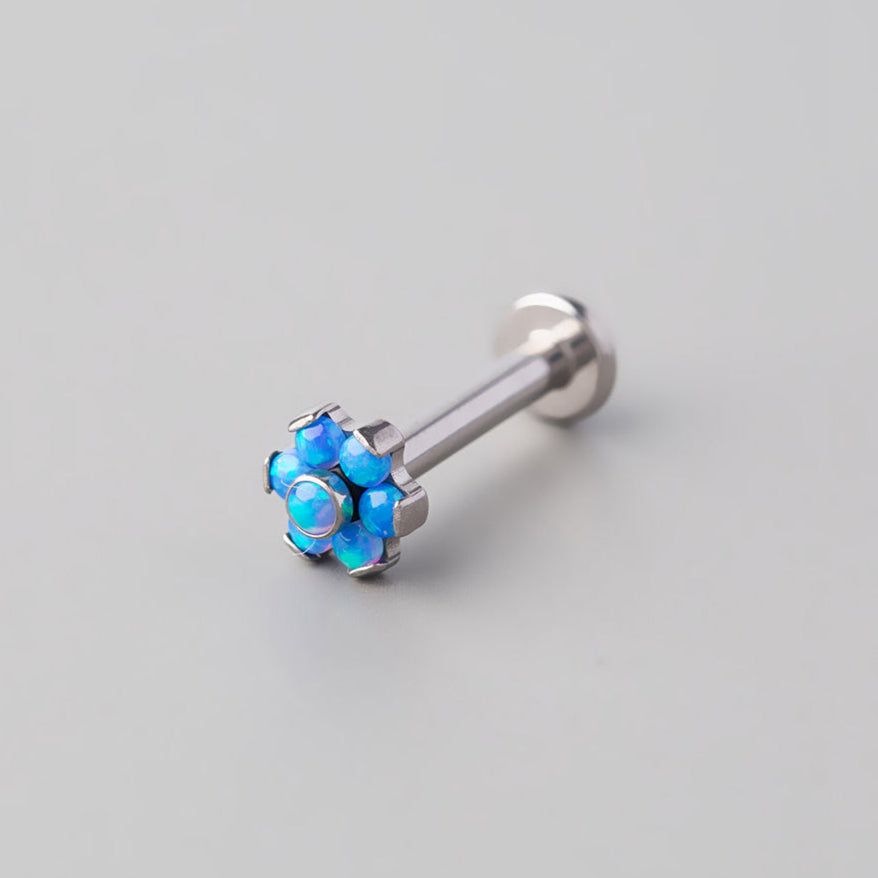
A snake bite piercing is a pair of piercings placed symmetrically on the lower lip, one on the left and one on the right. The name comes from the way the two pieces of jewellery resemble the fang marks of a snake bite. Each piercing passes through the tissue just below the lip line, typically using a flatback labret stud as the initial jewellery.
Snake bites are classified as oral piercings because part of the jewellery sits inside the mouth, resting against the gums and teeth. This is an important detail because it affects both the healing process and the type of jewellery you should wear long-term.
Snake Bites vs Other Lip Piercings: What’s the Difference?
There are several lip piercing styles that look similar but have distinct placements. Understanding the differences helps you choose the right look for you.
| Piercing Style | Placement | Number of Piercings | Healing Time | Pain Level (1–10) |
|---|---|---|---|---|
| Snake Bites | Both sides of lower lip | 2 | 6–12 weeks | 5/10 |
| Spider Bites | Two piercings close together on one side | 2 | 6–12 weeks | 5/10 |
| Angel Bites | Both sides of upper lip | 2 | 8–12 weeks | 5/10 |
| Dolphin Bites | Two piercings close together, centre of lower lip | 2 | 6–12 weeks | 5/10 |
| Labret | Centre of lower lip | 1 | 6–8 weeks | 4/10 |
| Monroe/Madonna | One side of upper lip | 1 | 8–12 weeks | 4/10 |
| Dahlia/Joker Bites | Both corners of the mouth | 2 | 8–12 weeks | 6/10 |
Snake bites offer a striking symmetrical look without the commitment of more complex multi-piercing setups like shark bites (which use four piercings). They work well on their own or combined with a septum or medusa piercing for a more curated look.
Does a Snake Bite Piercing Hurt?
Pain is subjective, but most people rate snake bite piercings at around 5 out of 10. The lower lip area has a moderate concentration of nerve endings, so you will feel a sharp pinch for each piercing. Since snake bites require two separate punctures, the second one can feel slightly more intense because your body is already on alert from the first.
The good news is that each piercing takes only a few seconds. Most piercers will do one side, give you a moment to breathe, and then do the other. The whole procedure, from marking to piercing to fitting jewellery, usually takes about 15 to 20 minutes.
After the piercing, expect significant swelling for the first 3 to 5 days. Your lips may feel tight and puffy, and talking and eating will be a bit awkward. This is completely normal and settles down within the first week. Taking an over-the-counter anti-inflammatory like ibuprofen can help manage both pain and swelling, but always check with your GP first if you have any medical conditions.
Snake Bite Piercing Healing Time: What to Expect
Snake bite piercings heal relatively quickly compared to cartilage piercings because the lip tissue has excellent blood supply. Here is the typical timeline.
Week 1: Swelling and Adjustment
This is the most uncomfortable phase. Both piercings will be swollen, tender, and possibly bruised. Eating soft foods, drinking through a straw (carefully), and avoiding spicy or acidic food will make this week much more bearable. Your initial labret studs will have extra-long posts to accommodate the swelling, so they may feel bulky at first.
Weeks 2–4: Active Healing
The swelling subsides significantly, and the piercings start to feel more comfortable. You may still see some clear or whitish discharge, which is normal lymph fluid. The outside of the piercings will start to look settled, but the internal tissue is still repairing. Keep up your aftercare routine and avoid playing with the jewellery using your tongue or teeth.
Weeks 4–8: Downsizing
Once the swelling has fully resolved (usually around 4 to 6 weeks), your piercer should downsize your labret posts to shorter ones. This is a crucial step. Wearing oversized jewellery beyond this point increases the risk of tooth and gum damage because the longer post moves around more inside your mouth. Do not skip the downsize appointment.
Weeks 8–12: Maturation
By this stage, both piercings should feel comfortable and settled. The tissue around the piercing channel is strengthening, and you can start thinking about changing to your preferred long-term jewellery. However, some people need up to 16 weeks before they can change jewellery without irritation, so let your piercer have a look before you swap anything yourself.
Snake Bite Piercing Aftercare
Because snake bites are oral piercings, you need to care for both the outside and the inside of each piercing. This makes aftercare slightly more involved than a standard skin piercing, but it’s straightforward once you build it into your routine.
External Aftercare
Clean the outside of each piercing twice daily with sterile saline solution (0.9% sodium chloride). Spray the front of each piercing, let it sit for 30 to 60 seconds, then gently pat dry with non-woven gauze. Do not use cotton wool or cotton buds, as loose fibres can catch on the jewellery. Avoid touching the piercings with unwashed hands.
Internal Aftercare
Rinse your mouth with an alcohol-free antibacterial mouthwash after every meal and after smoking (if applicable). You can also use a warm saline rinse by dissolving a quarter teaspoon of non-iodised sea salt in a cup of warm water. Swish gently for 30 seconds and spit. Do this 2 to 3 times daily, but no more, as over-rinsing can disrupt the natural bacteria balance in your mouth and slow healing.
Eating and Drinking Tips
For the first week, stick to soft foods: soups, smoothies, yoghurt, mashed potatoes, scrambled eggs, and pasta. Avoid anything crunchy, spicy, acidic, or very hot. Cut food into small pieces and place it directly onto your back teeth to avoid catching the jewellery. Take small sips of cold water throughout the day to help reduce swelling.
Avoid alcohol for at least the first 2 weeks. Alcohol irritates open wounds and thins the blood, which can increase swelling and slow healing. The same goes for smoking; if you can reduce or stop during the initial healing phase, your piercings will heal noticeably faster.
For our full aftercare instructions, see our Body Jewellery and Piercing Aftercare Guide.
Snake Bite Piercing Jewellery: What to Wear and When
Choosing the right jewellery is critical for both healing and long-term oral health. Here is what works best at each stage.
During Healing: Flatback Labret Studs
The standard starter jewellery for snake bite piercings is a pair of internally threaded or threadless flatback labret studs. The flat disc sits comfortably inside the mouth against the gums, while a small ball or gemstone sits on the outside. The initial posts will be longer (typically 10mm or 12mm) to accommodate swelling, and your piercer will downsize to 8mm or 6mm posts once the swelling resolves.
If you’re unfamiliar with threadless jewellery, our guide to threadless labrets explains why they’re a game-changer for lip piercings.
After Healing: Your Options
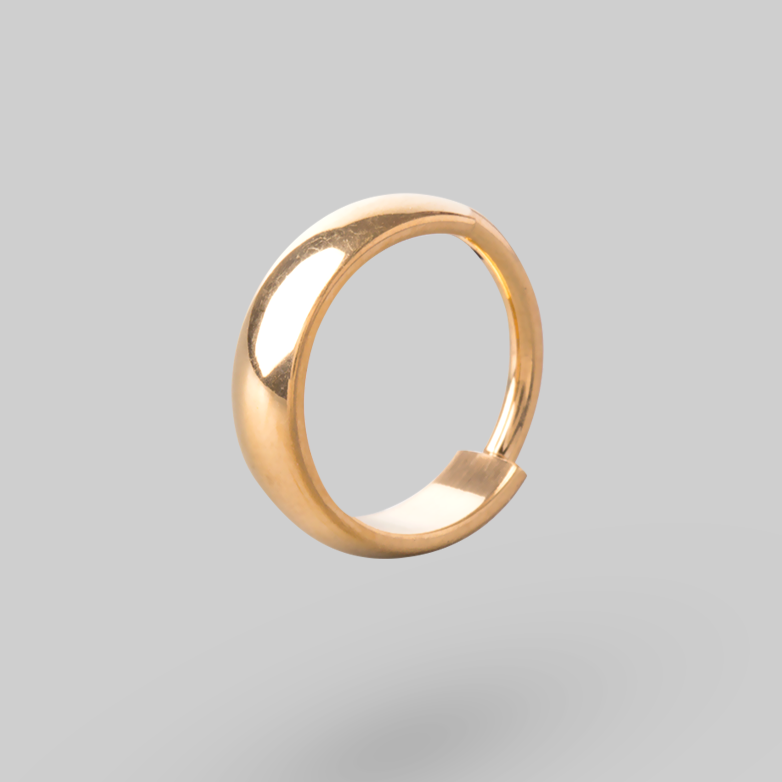
Once your piercings are fully healed, you can experiment with different looks. Labret studs remain the most popular choice because they’re comfortable and tooth-friendly, but some people also wear small captive bead rings or seamless hoops for a different aesthetic. If you choose rings, make sure they’re the correct diameter so they sit close to the lip without pulling or catching.
Jewellery Material Matters
| Material | Safe for Healing? | Oral-Friendly? | Notes |
|---|---|---|---|
| Implant-Grade Titanium (ASTM F136) | Yes | Excellent | Lightweight, nickel-free, best all-round choice |
| Surgical Steel (ASTM F138) | Yes (if no nickel allergy) | Good | Affordable, durable, contains trace nickel |
| Niobium | Yes | Excellent | Completely nickel-free, hypoallergenic |
| BioFlex/PTFE | Yes | Very Good | Flexible, gentle on teeth and gums, great for long-term wear |
| Acrylic | No | Moderate | Only for healed piercings, can harbour bacteria |
| Fashion/Mystery Metal | No | Poor | Avoid entirely for oral piercings |
For snake bites specifically, implant-grade titanium is the top recommendation because it’s lightweight (reducing pressure on gums), completely biocompatible, and available in a range of colours through anodisation. For a detailed comparison, read our Titanium vs Steel guide.
BioFlex is also worth considering for long-term wear. The flexible material is much gentler on teeth and gums than metal, which is a significant advantage for any piercing that sits against your mouth.
Snake Bite Piercings and Dental Health
This is the topic that doesn’t get enough attention. Any oral piercing carries a risk of gum recession and tooth enamel wear over time. The jewellery disc that sits inside your mouth rubs against your gums and the front surface of your lower teeth with every movement of your lips.
Here is how to minimise the risk:
Get downsized promptly. Once swelling subsides, switch to the shortest post that fits comfortably. A snug-fitting labret moves less and causes less friction against your teeth.
Choose tooth-friendly materials. BioFlex and PTFE labrets are softer than metal and cause less enamel damage. If you prefer metal, titanium is lighter and causes less impact than steel.
Avoid playing with the jewellery. Clicking your labret against your teeth or pushing it around with your tongue accelerates enamel wear and gum irritation. Break the habit early.
Visit your dentist regularly. Let your dentist know you have oral piercings so they can monitor your gum line and enamel at check-ups. If they notice recession starting, you may need to switch to softer jewellery or adjust the fit.
Consider removing jewellery for sports. Any contact sport poses a risk of the jewellery being driven into your teeth or gums. Remove your snake bites or cover them with a mouthguard during physical activity.
Snake Bite Piercing Cost in the UK
Pricing varies between studios and depends on location, the piercer's experience, and the quality of jewellery included. Some studios charge per piercing, while others offer a discount for getting both done in the same session.
Price should not be your primary deciding factor. A skilled, experienced piercer using sterile technique and high-quality jewellery is worth paying more for. Ask to see their portfolio of healed lip piercings, check their reviews, and make sure they use single-use needles (never a piercing gun for lip piercings).
Signs of Infection vs Normal Healing
It’s common to worry about infection with oral piercings because the mouth is full of bacteria. However, actual infections are relatively uncommon when aftercare is followed properly. Here is how to tell the difference.
Normal: Swelling in the first week, clear or slightly white discharge, mild tenderness, slight bruising, tightness when talking or eating.
Potentially infected: Thick green or yellow pus (not clear lymph), increasing pain after the first week rather than improving, persistent fever, red streaks spreading from the piercing site, a foul taste in your mouth that doesn’t go away with rinsing.
If you suspect an infection, see your GP or return to your piercer. Do not remove the jewellery, as this can trap the infection inside the tissue and make it harder to drain.
Can You Kiss with Snake Bite Piercings?
This is one of the most common questions, and the honest answer is: not during the first 2 to 4 weeks. Kissing introduces someone else’s bacteria directly into your healing piercings, which significantly increases the infection risk. Even after the initial healing phase, be cautious until the piercings are fully healed at 8 to 12 weeks.
Once healed, kissing is absolutely fine. You and your partner may need a brief adjustment period to get used to the feel of the jewellery, but most couples adapt quickly.
Common Mistakes with Snake Bite Piercings
Skipping the downsize. Wearing long initial posts beyond the swelling phase is one of the biggest causes of tooth and gum damage. Book your downsize appointment when you book the piercing itself.
Using alcohol-based mouthwash. Products like original Listerine are too harsh for healing piercings and can cause chemical burns on the delicate new tissue. Always use an alcohol-free formula.
Playing with the jewellery. Clicking labrets against your teeth feels satisfying but causes real damage over time. Train yourself to leave them alone.
Changing jewellery too early. Wait until your piercer confirms the piercings are healed before swapping. Forcing jewellery through a partially healed channel causes tearing and restarts the healing process.
Using cheap jewellery. Low-quality metal in an oral piercing is a recipe for irritation, allergic reactions, and poor healing. Stick with implant-grade materials from reputable suppliers.
Removing both piercings at once for an MRI or dental procedure. Lip piercings can begin to close within hours. If you need to remove jewellery temporarily, ask your piercer about retainers made from BioFlex or PTFE, which are safe for medical procedures.
Frequently Asked Questions
How long do snake bite piercings take to heal?
Snake bite piercings typically take 6 to 12 weeks to heal fully. The outer surface heals within the first 4 to 6 weeks, but the internal tissue needs another few weeks to strengthen. Some people need up to 16 weeks before the piercings are mature enough for a jewellery change.
Do snake bite piercings damage your teeth?
They can if the jewellery is poorly fitted or if you play with the piercings using your tongue or teeth. Properly sized labret studs made from titanium or BioFlex, combined with regular dental check-ups, significantly reduce the risk of enamel wear and gum recession.
Can you get both snake bite piercings done at the same time?
Yes, and most people do. Getting both piercings in one session means you only go through the initial swelling phase once. Your piercer will usually do one side, check the symmetry, then pierce the other side.
What size labret do I need for snake bites?
The standard gauge for snake bite piercings is 16g (1.2mm) or occasionally 14g (1.6mm). Post length starts at 10mm or 12mm during healing, then downsizes to 6mm or 8mm once swelling resolves. Always confirm with your piercer before buying replacement jewellery.
Can you smoke with snake bite piercings?
Smoking during the healing phase significantly slows recovery and increases infection risk. The chemicals in cigarette smoke irritate the wound and reduce blood flow to the area. If you cannot quit entirely, try to reduce your intake and rinse with saline after every cigarette.
Will snake bite piercings leave scars?
All piercings leave some mark when removed. Snake bites typically leave two small dots that fade over time but may remain faintly visible. The scars are usually very subtle, especially if the piercings were well-cared for and removed cleanly.
How do you sleep with snake bite piercings?
Snake bite piercings are generally easier to sleep with than ear piercings because they sit on the front of your face. You can sleep on your side or back without much issue. If you sleep face-down, use a soft pillowcase and be gentle during the first couple of weeks while swelling is at its peak.
Can you eat normally with snake bite piercings?
You will need to adjust your diet for the first week (soft foods only), but most people return to eating normally by week 2 or 3. Cut food into small pieces, chew carefully, and take your time. Once fully healed, eating is completely normal; you may occasionally bite the disc if it shifts, but this becomes rare with properly fitted jewellery.
Are snake bite piercings suitable for everyone?
Most people with healthy gums and teeth are good candidates. If you have existing gum recession, braces, or certain dental conditions, discuss the piercing with your dentist first. People with a history of keloid scarring should also consult their piercer, as lip tissue can produce raised scars in some individuals.
What is the difference between snake bites and shark bites?
Snake bites use one piercing on each side of the lower lip (two total). Shark bites use two piercings close together on each side (four total). Shark bites are a more intensive setup with a longer healing period and higher cost, but they create a bolder look for those who want it.
Key Takeaways
Healing time: 6 to 12 weeks with proper aftercare. Downsize your jewellery at 4 to 6 weeks to protect your teeth and gums.
Pain level: Around 5/10 for each piercing. Swelling peaks in the first 3 to 5 days and settles within a week.
Best jewellery: Implant-grade titanium flatback labret studs for healing. BioFlex labrets for long-term wear to protect teeth.
Aftercare: Saline spray externally twice daily. Alcohol-free mouthwash after every meal. Soft foods for the first week.
Dental health: Get downsized promptly, choose soft or lightweight materials, avoid playing with jewellery, and visit your dentist regularly.
Cost: Varies by studio and location. Prioritise piercer skill and jewellery quality over price.
Shop Snake Bite Piercing Jewellery at Camden Body Jewellery
Looking for high-quality labret studs for your snake bite piercings? At Camden Body Jewellery, we stock a wide range of lip piercing jewellery in implant-grade titanium, surgical steel, and BioFlex. Whether you need your first downsize pair or you’re after something decorative for fully healed piercings, we’ve got you covered.
Browse our full collection to find the perfect piece for your style.
Read Next
Stop The Reaction Before It Starts
90% of piercing irritation comes from poor quality metal. Upgrade to ASTM F-136 Implant Grade Titanium-the biocompatible gold standard used by professional piercers worldwide.
Myths vs. Reality
Myth: "Itchiness means infection."
False. Infection usually involves throbbing pain, heat, extreme swelling, and yellow/green pus. Mild itching alone is rarely an infection.
Myth: "Turn the jewelry to scratch the itch."
Never twist! Twisting breaks the healing seal, introduces bacteria inside the wound, and extends healing time by weeks.
Why Shop Camden?
-

Implant Grade Titanium
ASTM F-136 Compliant
-

Tracked UK Delivery
Free over £40
-

Sterilised Piercing Jewellery
Keeping your skin safe