Medusa Piercing: Complete Guide to Jewellery, Healing & Aftercare
Medusa Piercing: Complete Guide to Jewellery, Healing & Aftercare
Quick Answer
A medusa piercing is a vertical lip piercing positioned in the centre of the philtrum (the groove between your nose and upper lip). It typically costs Varies in the UK, requires 6-9 months to fully heal, and is usually worn with a labret bar featuring a larger disc or gem on the outside. Pain levels are moderate, and proper aftercare is essential to prevent complications.
Key Takeaways
- What it is: A vertical facial piercing through the philtrum (upper lip centre)
- Healing time: 6-9 months for complete internal healing (initial healing 4-6 weeks)
- Pain level: Moderate (5-6 out of 10)
- Jewellery type: Threadless labret bars, typically 1.2mm gauge
- Cost in UK: Varies (jewellery sold separately)
- Aftercare: Salt water soaks twice daily for first 4-6 weeks, then daily for months 2-6
- Common risks: Migration, rejection, gum recession, tooth erosion
- Eating advice: Soft foods for 1-2 weeks, avoid hot foods initially
What Is a Medusa Piercing?
A medusa piercing, also known as a philtrum piercing, is a single vertical lip piercing positioned directly in the centre of the philtrum - the small vertical groove that runs between your nose and your upper lip. The piercing passes through the soft tissue of the upper lip, creating a striking facial feature that has gained increasing popularity among body modification enthusiasts over the past decade.
The medusa piercing is distinctive because of its precise placement. Unlike other lip piercings that sit off to the side (such as a monroe or similar piercings), the medusa sits perfectly centred, drawing attention directly to the centre of the face. This central placement makes it one of the most noticeable lip piercings while maintaining a certain elegance and balance.
The name "medusa" comes from Greek mythology, though the exact reason for this naming convention is somewhat debated within piercing communities. The piercing has been popular in alternative and punk subcultures since the 1990s, but has recently crossed over into mainstream fashion and self-expression, with many people choosing it for its striking aesthetic.
How Much Does a Medusa Piercing Cost in the UK?
The cost of getting a medusa piercing in the UK varies depending on where you get pierced, the experience level of your piercer, and your location (London and major cities tend to be more expensive than smaller towns).
Piercing service cost: Varies
- Budget piercers: Varies
- Mid-range professional piercers: Varies
- High-end boutique piercers: Varies+
Jewellery cost (separate): Varies+
- Basic threadless labret bar: Varies
- Surgical steel with simple end: Varies
- Gold-plated or anodized titanium: Varies
- Premium designs with gemstones: Varies+
At Camden Body Jewellery, we offer a curated collection of medusa piercing jewellery starting at great value with options ranging up to varies for premium designs. When budgeting for your medusa piercing, factor in both the piercing service and the initial jewellery purchase. Many piercers offer package deals that include both the service and initial jewellery, which can save you Varies compared to paying separately.
What Jewellery Do You Need for a Medusa Piercing?
Selecting the right jewellery for your medusa piercing is crucial for both healing and aesthetics. The correct jewellery type, size, and material can significantly impact your healing experience and reduce the risk of complications.
Jewellery Type
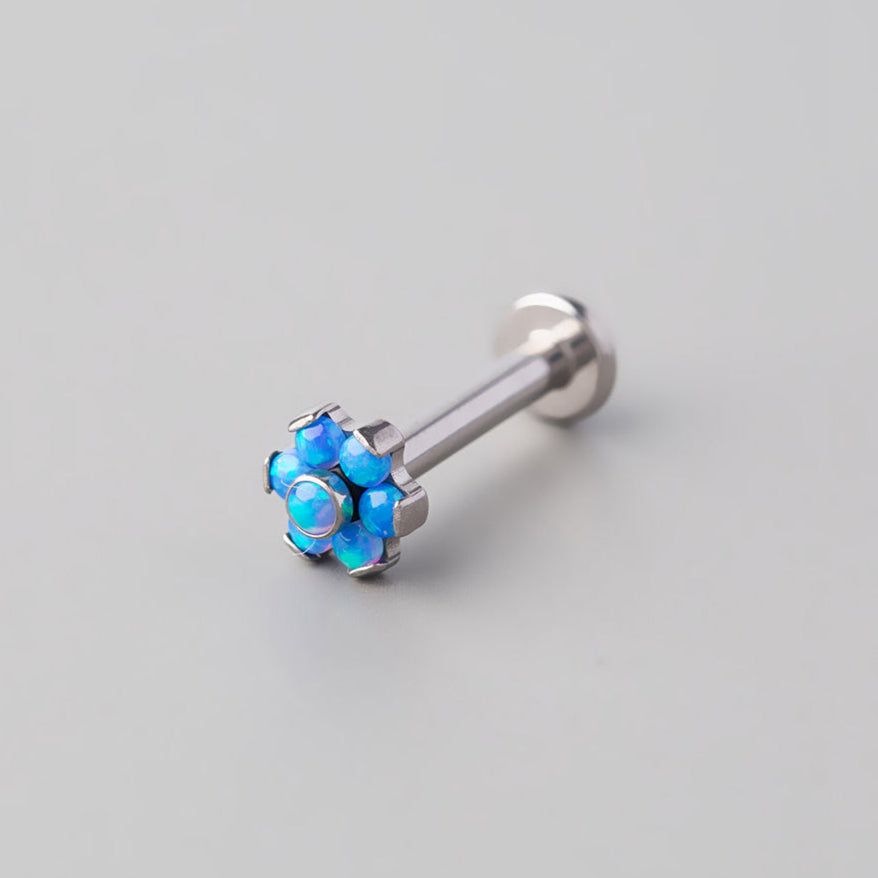
Labret bars (also called studs) are the standard and most recommended jewellery for medusa piercings. These consist of a straight bar with a flat disc or decorative end on one side (visible outside the lip) and a small post on the other side (inside the mouth). This design is superior to other options because it:
- Provides minimal movement during healing
- Reduces irritation to the fresh piercing
- Prevents the jewellery from being swallowed
- Allows for easy customisation of the visible end
- Minimises contact with teeth and gums
Threadless (push-fit) labret bars are the modern standard. These feature:
- A slightly bent post that creates pressure fit without threading
- Easy insertion and removal without twisting
- Reduced irritation compared to threaded jewellery
- The ability to swap ends without full removal
Size and Gauge
Medusa piercings are almost universally pierced at 1.2mm (16 gauge) in the UK. This is the standard size that piercers use and what most jewellery is manufactured for.
Length measurements: The bar length for a medusa piercing is measured from the bottom of the disc to the top of the internal post. Standard lengths are:
- 7mm or 8mm: Most common for initial jewellery
- 6mm: For people with thinner lips or smaller lips
- 10mm: For people with thicker lips or larger anatomy
Getting the correct length is important - too short and the jewellery can embed into the tissue; too long and it causes excessive movement and irritation.
Materials
During healing (first 6-9 months): Use only implant-grade materials:
- Implant-grade titanium (ASTM F136): Best choice - hypoallergenic, lightweight, and extremely durable
- Surgical steel (316L stainless steel): Good option, though slightly more prone to irritation than titanium
- Avoid: Gold-plated, silver, nickel, or mystery metals
After healing (6+ months): Once healed, you can experiment with:
- Solid gold (14K or higher)
- Gold-plated jewellery (though it will wear off with time)
- Anodized titanium (coloured titanium that won't fade like plating)
- Surgical steel
Medusa Piercing Jewellery Options at Camden Body Jewellery
Threadless Push-In Labret - Silver

Gauge: 1.2mm (16G) | Length: 7mm | Material: Implant-grade Titanium
Perfect for initial medusa piercing jewellery or for those seeking a minimalist aesthetic. The threadless design makes it incredibly easy to insert and remove, and the simple silver finish works with any personal style. This is an ideal choice for healing due to its biocompatible material.
5 CZ Blaze Set Curve Push-In Threadless Labret

Gauge: 1.2mm (16G) | Material: Implant-grade Titanium | Decoration: 5 cubic zirconia stones
Once your medusa piercing is fully healed, upgrade to this stunning piece featuring five brilliant CZ stones. The curved design sits beautifully in the philtrum, and the sparkle catches the light perfectly. This is one of our most popular choices for healed piercings.
Medusa Piercing vs Other Lip Piercings: How Does It Compare?
Understanding how a medusa piercing compares to other popular lip piercing options can help you decide if it's the right choice for you.
| Piercing Type | Location | Pain Level (1-10) | Healing Time | Complications Risk | Best For |
|---|---|---|---|---|---|
| Medusa | Centre of philtrum (upper lip) | 5-6 | 6-9 months | Moderate | Symmetrical appearance, centred look |
| Monroe | Above upper lip, off-centre (right) | 5-6 | 6-9 months | Moderate-High | Asymmetrical style, beauty mark look |
| Labret (standard) | Centre of lower lip | 4-5 | 6-8 months | Moderate | Simpler alternative, visible when speaking |
| Vertical Labret | Through bottom lip vertically | 6-7 | 8-10 months | Moderate-High | Unique look, more pronounced effect |
| Smiley | Through upper labial frenum (hidden) | 3-4 | 4-8 weeks | High | Discreet piercing, short term wear |
| Snake Bites (pair) | Two lower lip piercings, symmetrical | 6-7 | 6-9 months each | Moderate-High | Bold statement, symmetrical look |
Understanding Medusa Piercing Gauge and Size
Gauge and size are critical specifications for your medusa piercing jewellery. Understanding these measurements ensures you purchase correctly fitting jewellery and helps you communicate with your piercer effectively.
| Measurement Type | Standard Medusa Size | What It Means | Variations |
|---|---|---|---|
| Gauge | 1.2mm (16 gauge) | The thickness of the piercing hole. Measured by the internal diameter of the jewellery post. | Rarely varies; nearly all UK piercers use 16 gauge for medusa |
| Bar Length | 7mm or 8mm | The distance from the top of the internal post to the bottom of the external disc. Affects how the jewellery sits. | 6mm (thin lips), 7mm (standard), 8mm (average), 10mm (thick lips) |
| Disc/End Size | 5-8mm diameter | The size of the visible decorative end on the front. Larger discs create more impact; smaller ones are more subtle. | 3mm (minimal), 5mm (subtle), 6mm (standard), 8mm (bold), 10mm+ (statement) |
| Thickness of Disc | 1-2mm | How thick the decorative end is. Thicker discs feel more substantial; thinner discs are more delicate. | Depends on design; varies by jewellery style |
How Much Pain Does a Medusa Piercing Cause?
Pain is one of the most common concerns when considering a medusa piercing. Most people rate the experience as moderate, though pain perception varies significantly from person to person based on individual pain tolerance, the piercer's skill, and psychological factors.
Typical pain rating: 5-6 out of 10
During the actual piercing procedure, people typically describe the sensation as:
- Initial sharp pressure as the needle enters the skin
- A brief, intense moment as the needle passes through
- Relief once the jewellery is inserted
- The entire process usually takes 10-30 seconds
The philtrum (the area being pierced) contains relatively few nerve endings compared to other facial areas, which is why lip piercings are generally less painful than they might seem. The tissue is soft, and a skilled piercer will work quickly and cleanly, which reduces pain and swelling.
Factors that affect pain levels:
- Piercer experience: A highly skilled piercer will typically cause less pain due to precise technique and speed
- Needle quality: Sharp, sterile needles cause less pain than dull ones (always use a reputable piercer with proper sterilisation)
- Your anxiety level: Nervousness and tension increase pain perception; staying relaxed helps
- Time of day: Some people find morning piercings less painful as they're more rested
- Hydration and food: Eating before the piercing and staying hydrated can help your body handle the piercing better
Pain after the piercing: After the initial procedure, you may experience throbbing, tenderness, and mild discomfort for 2-7 days. This is normal. Over-the-counter pain relief like paracetamol or ibuprofen can help manage post-piercing discomfort, though many people find ice packs more effective.
Medusa Piercing Healing Timeline: What to Expect
Understanding the healing process helps you know what to expect and how to care for your new piercing properly. Medusa piercings have a longer healing timeline than many other piercings due to the constant movement of the lips.
Complete Medusa Piercing Healing Timeline
Days 1-3 (Initial Phase)
- Swelling peaks around 24-48 hours
- Throbbing and tenderness common
- Possible minor bleeding
- Clear or slightly bloody discharge is normal
- Apply ice packs for 10-15 minutes every 2 hours on the first day
Days 4-14 (First Two Weeks)
- Swelling gradually reduces
- Mild pain and tenderness continue
- Yellow or white discharge may appear (normal healing fluid, not infection)
- Begin salt water soaks: twice daily, 5-10 minutes per soak
- Avoid hot foods, spicy foods, and alcohol
- Sleep with your head elevated to reduce swelling
Weeks 3-4
- Swelling mostly resolved
- Discharge decreases
- Tissue around piercing appears pink and healthy
- Continue salt water soaks twice daily
- You may notice the piercing feels "itchy" - this is normal healing
- Do not change jewellery yet; allow internal healing to continue
Weeks 5-12 (Month 2-3)
- Piercing appears relatively healed on the surface
- Internal healing is still ongoing
- Pain and tenderness mostly resolved
- You may experience occasional swelling if you touch the piercing excessively
- Continue salt water soaks daily (once per day is now sufficient)
- Still avoid very hot foods and excessive mouth movement
Months 4-6
- Piercing appears fully healed externally
- Internal tissue continues strengthening
- Minimal sensitivity to the piercing
- You may reduce salt water soaks to every other day
- Risk of infection remains if you introduce bacteria
Months 6-9 (Complete Healing)
- Full internal and external healing is complete
- Tissue is fully established
- You can safely change jewellery with clean hands
- The piercing is now considered stable
- Though fully healed, medusa piercings remain relatively delicate compared to ear piercings
Important note about "initial healing" vs "complete healing": While a medusa piercing may look healed after 4-6 weeks, internal healing continues for 6-9 months. The external tissue may be fine, but the channel is still establishing itself. Changing jewellery too early significantly increases the risk of infection and complications.
Medusa Piercing Aftercare: Complete Guide
Proper aftercare is absolutely essential for successful medusa piercing healing. Poor aftercare is the primary cause of complications like infection, migration, and rejection. Follow these guidelines carefully.
Daily Aftercare Routine
Weeks 1-4 (Initial healing): Salt water soaks twice daily
- Use non-iodised sea salt (1/4 teaspoon) dissolved in 8 ounces of warm water
- Or purchase pre-made saline solution specifically for piercings
- Soak the piercing for 5-10 minutes, twice per day
- Pat dry with a clean paper towel (not cloth, which can harbour bacteria)
- Do not use Epsom salt or regular table salt - both can irritate the piercing
Weeks 5-12 (Continued healing): Salt water soaks once daily
- Continue daily saline soaks
- Can gradually reduce to every other day if the piercing is healing well
- At any sign of increased swelling or discharge, return to twice-daily soaks
Months 4-6 and beyond: Maintenance cleaning
- Continue occasional salt water soaks (1-2 times per week) for long-term health
- Even healed piercings benefit from occasional saline care
- Some people find that salt water soaks keep the piercing healthier long-term
What to Avoid During Healing
- Touching the piercing: Your fingers introduce bacteria; keep your hands away even when cleaning
- Kissing: Saliva can introduce bacteria; avoid kissing and intimate contact for at least 2-3 weeks
- Oral contact: Ask partners not to perform oral sex for at least 4 weeks
- Hot foods and drinks: Can increase swelling; stick to lukewarm or cool foods
- Spicy foods: Can irritate the piercing; avoid for at least 1-2 weeks
- Alcohol: Can thin your blood and increase bleeding; avoid for at least the first week
- Smoking: Significantly slows healing; quit or reduce during healing period
- Mouthwash: Many contain alcohol and irritants; avoid or use alcohol-free versions only
- Swimming: Avoid pools, hot tubs, and ocean water for at least 2-3 weeks (they contain bacteria)
- Makeup near the piercing: Can introduce bacteria; avoid for the first 2 weeks
- Changing the jewellery: Do not change or remove your jewellery for the first 4-6 weeks minimum, and ideally not until 6+ months
Oral Hygiene During Healing
Since your medusa piercing is in your mouth area, oral hygiene is important:
- Continue normal tooth brushing, but be gentle around the piercing
- Use a soft-bristled toothbrush
- Rinse with salt water (1/4 teaspoon salt in 8 ounces warm water) after meals
- Avoid traditional mouthwash due to alcohol content; use alcohol-free mouthwash if desired
- Stay hydrated to promote healing
- Avoid chewing on your jewellery or the piercing
Signs of Proper Healing
- Swelling gradually decreases each day
- Discharge is clear or slightly yellow, not green or brown
- Tissue around the piercing appears pink and healthy
- Pain decreases after the first few days
- No excessive heat or warmth around the piercing
- The piercing doesn't smell bad
When to Seek Professional Help
Contact your piercer or a medical professional if you experience:
- Excessive swelling: That doesn't improve after 3-5 days or gets worse after improving
- Green, yellow, or brown discharge: May indicate infection
- Severe pain: That increases instead of improving
- Red streaks: Extending from the piercing (sign of blood infection)
- Fever or chills: Can indicate systemic infection
- Pus-like discharge: With foul odour
- Migration or rejection: Piercing moves or tissue surrounding it turns white
- Excessive bleeding: That doesn't stop after 10 minutes of pressure
- Allergic reaction: Severe itching, rash, or difficulty breathing (seek emergency care)
For more detailed information on aftercare and complications, see our comprehensive body jewellery and piercing aftercare guide.
Common Medusa Piercing Complications and How to Address Them
While most medusa piercings heal without complications, it's important to know what can go wrong and how to respond.
Infection
Signs: Green or brown discharge, increasing pain after initial healing, red streaks, fever, pus
Prevention: Maintain excellent hygiene, use sterile jewellery, avoid touching the piercing, avoid introducing bacteria through kissing or oral contact during healing
Treatment: Increase salt water soaks to 3-4 times daily, avoid changing jewellery, seek medical attention if symptoms persist beyond 48 hours
Migration
Signs: The piercing hole moves from its original location, jewellery appears to be moving, skin around the piercing becomes thinner
Prevention: Use appropriate length jewellery, avoid excessive talking or lip movement during healing, don't change jewellery early, avoid playing with the piercing
Treatment: If migration is occurring, remove the jewellery and allow the piercing to close; migration usually results in rejection if left alone
Rejection
Signs: The body pushes the jewellery out; the tissue surrounding the piercing becomes thinner or develops a white line, jewellery comes loose
Prevention: Use implant-grade jewellery, maintain excellent aftercare, don't change jewellery too early, choose an experienced piercer
Treatment: Remove the jewellery before it's completely pushed out; allow the piercing to close; you can re-pierce once healed if desired
Piercing Bumps (Keloids and Hypertrophic Scarring)
Signs: Hard, raised bumps around the piercing that appear several weeks or months after piercing
Prevention: Choose a skilled piercer, use correct jewellery size, maintain excellent hygiene, avoid excessive trauma or movement
Treatment: Increase salt water soaks, consider switching to titanium if currently wearing steel, try chamomile tea soaks, see a dermatologist for persistent bumps
For a detailed explanation of the differences between bumps, keloids, and infections, consult our guide on piercing bumps vs keloids vs infection.
Tooth and Gum Damage
Signs: Tooth sensitivity, receding gums, visible damage to tooth enamel
Prevention: Choose appropriate jewellery size (not too large), avoid moving the jewellery excessively in your mouth, don't chew on the jewellery, maintain excellent oral hygiene
Treatment: See a dentist if damage occurs; may require removal of the piercing to prevent further damage
Allergic Reactions
Signs: Severe itching, rash around the piercing, difficulty breathing (emergency)
Prevention: Use hypoallergenic jewellery (implant-grade titanium is best), patch test if sensitive to metals
Treatment: Switch to implant-grade titanium jewellery; if severe, remove the piercing and seek medical attention
Medusa Piercing Jewellery Cleaning and Maintenance
Keeping your medusa piercing jewellery clean is essential for preventing infection and maintaining its appearance. Learn the proper techniques for how to clean piercing jewellery properly without damaging it.
Cleaning During Healing (Weeks 1-26)
Don't remove your jewellery to clean it during healing. Instead, clean around the piercing:
- Use a cotton swab with salt water to gently clean the area
- Focus on removing any dried discharge or crusting
- Be very gentle to avoid irritating the healing tissue
- Never twist or rotate the jewellery
- Never remove the jewellery to clean it (you might not be able to reinsert it)
Cleaning After Healing (Month 6+)
Once healed, you can remove and clean your jewellery:
- Soap and water: Wash with warm water and mild soap, dry with a paper towel
- Ultrasonic cleaners: Safe for most metals; follow manufacturer instructions
- Surgical spirit: Can be used for quick disinfection, though not necessary for healed piercings
- Avoid: Bleach, harsh chemicals, or abrasive materials that can damage the finish
Eating and Speaking With a Medusa Piercing
Your medusa piercing will affect your eating and speaking, especially during the healing period. Here's what to expect and how to manage it.
Eating with a Fresh Medusa Piercing
First 1-2 weeks: Stick to soft foods to minimise movement and trauma
- Yogurt, smoothies, pudding, soft cheeses
- Mashed potatoes, soft pasta, scrambled eggs
- Soups and broths (cooled to lukewarm temperature)
- Soft bread, oatmeal, porridge
- Soft fruits like bananas, avocados, berries
Avoid for at least 2 weeks:
- Hard, crunchy foods (nuts, chips, raw vegetables)
- Sticky foods (candy, toffee, caramel) that can pull on the piercing
- Spicy foods that can irritate the piercing
- Very hot foods that increase swelling
- Foods requiring excessive chewing
Drinking tips:
- Use a straw to minimise contact with the piercing
- Drink lukewarm or cool beverages, not hot ones
- Avoid alcohol for at least the first week
- Stay well hydrated to support healing
Speaking and Pronunciation
Many people find their speech is slightly affected by a fresh medusa piercing:
- Words with "f", "v", "th" sounds may feel slightly different
- You'll likely lisp slightly for the first few days
- This is temporary and improves as swelling reduces
- Your tongue will naturally adapt to the new jewellery
- Speech returns to normal within 1-2 weeks for most people
Frequently Asked Questions About Medusa Piercing
Q: Is a medusa piercing permanent?
A medusa piercing is semi-permanent. If you remove the jewellery while healed, the piercing will close very slowly (can take several months) depending on how long you've had it. If you remove it during healing, the hole closes within days or weeks. Most people find they can leave their healed medusa piercing without jewellery for several days without it closing completely, though this varies. The hole may shrink and feel tighter when you reinsert jewellery after a break.
Q: Can I change my medusa piercing jewellery before it's fully healed?
No, you should not change your medusa piercing jewellery until it's been at least 4-6 months, and ideally 6-9 months. Changing jewellery too early introduces bacteria, increases swelling and pain, and dramatically increases the risk of infection and rejection. Most piercers recommend leaving the initial jewellery in for the full healing period. Changing jewellery too early is one of the most common causes of medusa piercing failure.
Q: Will a medusa piercing affect my teeth and gums?
A medusa piercing has minimal contact with your teeth compared to other lip piercings, since the jewellery sits in the philtrum above the upper lip. However, if the disc is very large or if you play with the jewellery excessively, there could be minor gum contact. Proper jewellery sizing and careful maintenance ensure minimal dental impact. If you experience tooth sensitivity or gum recession, consult both your dentist and piercer.
Q: Can I get a medusa piercing if I have a thin philtrum?
Yes, medusa piercings are possible even with thinner philtrum tissue, though some piercers may recommend against it if the tissue is extremely thin. A skilled piercer will evaluate your anatomy and advise accordingly. If you proceed, use shorter jewellery (6mm instead of 7-8mm) and be extra diligent with aftercare. Having a thinner philtrum may increase the risk of migration or rejection, but it's not impossible.
Q: How often should I clean my medusa piercing?
During healing (weeks 1-26), perform salt water soaks twice daily for the first month, then once daily for months 2-6. After healing is complete (month 6+), you can reduce cleaning to a few times per week or as needed. Even healed piercings benefit from occasional saline care. Some people maintain a daily cleaning routine indefinitely with excellent results.
Q: Can I hide my medusa piercing with makeup?
During healing, avoid heavy makeup as it can introduce bacteria. Once healed, you can cover a medusa piercing with foundation or concealer if desired. However, during healing, it's better to let the piercing breathe. After healing, a makeup routine that doesn't interfere with the piercing is fine, though some people prefer to show off their new piercing rather than hide it.
Q: What's the difference between a medusa and a monroe piercing?
The main difference is placement: a medusa piercing is centered on the philtrum (directly between the nose and upper lip), while a monroe piercing is off to the side, typically positioned above the upper lip on one side. A monroe mimics Marilyn Monroe's famous beauty mark. Medusa piercings are more symmetrical and centered; monroes are asymmetrical and off-center. Pain levels, healing times, and aftercare are similar, but medusa piercings have slightly better healing rates due to more stable, centred placement.
Q: How much swelling is normal after getting a medusa piercing?
Significant swelling is normal and expected. Most people experience their peak swelling 24-48 hours after the piercing. The upper lip and philtrum area may swell noticeably, which can be surprising. Ice packs help reduce swelling. Swelling typically improves steadily over 3-5 days and mostly resolves within 1-2 weeks. Some people continue to experience slight swelling beyond this, which is still normal. If swelling increases after 5 days or is accompanied by other symptoms, contact your piercer.
Q: Is it normal to have discharge from my medusa piercing?
Yes, clear or slightly yellow discharge is completely normal during healing. This is your body's natural healing response. However, green, brown, or smelly discharge may indicate infection and requires attention. Crusty discharge around the piercing is normal and can be gently removed with salt water. Don't panic if you see discharge; it's part of the healing process, but monitor its colour and consistency.
Q: Can I play sports or exercise with a fresh medusa piercing?
You should avoid intense exercise and contact sports for at least 1-2 weeks after getting a medusa piercing. Exercise increases blood pressure and swelling, which can complicate healing. Additionally, contact sports risk trauma to the fresh piercing. After the initial 1-2 weeks, you can gradually return to exercise, though avoid activities that cause excessive swelling or create risk of contact with the piercing. Swimming and water exposure should be avoided for 2-3 weeks.
Medusa Piercing Jewellery Collection at Camden Body Jewellery
Camden Body Jewellery offers a carefully curated medusa piercing jewellery collection featuring implant-grade titanium and surgical steel options suitable for initial piercings and healed piercings alike. Our collection includes threadless push-fit labret bars in various styles, from minimalist designs perfect for healing to statement pieces with brilliant gemstones.
All our medusa piercing jewellery is:
- Made from implant-grade materials safe for new piercings
- Precisely manufactured to correct specifications (1.2mm gauge)
- Available in multiple styles and designs
- Competitively priced to suit all budgets
- Backed by expert customer service from experienced piercers
Browse our complete labret piercing jewellery collection for additional options and styles suitable for medusa piercings.
Should You Get a Medusa Piercing? Final Thoughts
A medusa piercing is a striking, beautiful modification that can enhance your appearance and self-expression. However, it's not without considerations. Here are some final thoughts to help you decide:
Get a medusa piercing if you:
- Like the centered, symmetrical aesthetic it provides
- Are committed to proper aftercare for 6-9 months
- Can tolerate a moderate amount of initial pain and swelling
- Have adequate philtrum anatomy for safe piercing
- Are in good overall health with strong immune function
- Can avoid playing with or touching the piercing during healing
- Are prepared for potential complications and know how to handle them
- Choose a highly skilled, experienced, and hygienic piercer
Reconsider if you:
- Have compromised immune function or health conditions
- Are prone to keloid or scar tissue formation
- Have very thin philtrum tissue
- Cannot commit to proper aftercare
- Work in an environment where facial piercings are problematic
- Are unable to find a skilled, reputable piercer near you
- Have a history of rejection or migration with other piercings
Ultimately, a medusa piercing is a personal choice. If you decide to go ahead, prioritize finding the best piercer you can, use high-quality jewellery from the start, and commit to excellent aftercare. The result - a beautiful, centered facial piercing - is well worth the effort for those who choose it.
Contact Camden Body Jewellery for Expert Advice
If you have questions about medusa piercings, jewellery options, or aftercare, Camden Body Jewellery's team of piercing experts is here to help. We provide personalised guidance to ensure your medusa piercing experience is safe, successful, and beautiful. Visit our website or contact us with your questions about your new medusa piercing journey.
Stop The Reaction Before It Starts
90% of piercing irritation comes from poor quality metal. Upgrade to ASTM F-136 Implant Grade Titanium-the biocompatible gold standard used by professional piercers worldwide.
Myths vs. Reality
Myth: "Itchiness means infection."
False. Infection usually involves throbbing pain, heat, extreme swelling, and yellow/green pus. Mild itching alone is rarely an infection.
Myth: "Turn the jewelry to scratch the itch."
Never twist! Twisting breaks the healing seal, introduces bacteria inside the wound, and extends healing time by weeks.
Why Shop Camden?
-

Implant Grade Titanium
ASTM F-136 Compliant
-

Tracked UK Delivery
Free over £40
-

Sterilised Piercing Jewellery
Keeping your skin safe